Allegations of Document Destruction Surface After Hungarian Election Shift
Claims about sanctions-related records raise questions over transparency and government transition
Péter Magyar stated during a press conference for international media that Hungary’s current foreign minister had not left the country but was present in Budapest, where he was allegedly engaged in document destruction (dokumentumok megsemmisítése) linked to sanctions. According to him, the activity was taking place inside the Ministry of Foreign Affairs and involved materials connected to sanctions policy (szankciós politika). The claim emerged shortly after the parliamentary election results confirmed a major political shift.
The politician explained that earlier speculation about the minister’s absence had been widespread, as he had not appeared publicly alongside the prime minister following the electoral defeat. However, Magyar asserted that the minister had arrived at the ministry building at a specific time and was accompanied by a colleague, indicating coordinated activity within the institution. He framed the situation as part of a broader concern over government transparency (kormányzati átláthatóság) and the handling of sensitive state records.
“We know that his people are destroying documents just like in the old communist times. Shredders are running at full capacity not only in ministries but also in other institutions. But this will not help them,” Magyar said. In this statement, he directly compared the alleged actions to practices associated with centralized regimes, emphasizing the scale of the institutional shredding activity (intézményi iratmegsemmisítés) that he claimed was ongoing.
He further added: “There are many things we do not know — numerous international agreements and secret government decisions that we know nothing about,” pointing to what he described as gaps in access to classified agreements (titkos megállapodások) and undisclosed policy decisions. According to Magyar, uncovering these materials would be essential for ensuring administrative accountability (közigazgatási elszámoltathatóság) during the transition of power.
Magyar also raised concerns about financial arrangements made by the outgoing leadership, stating that loans had been taken under unclear conditions. He emphasized that the incoming administration currently lacked full information about these obligations, describing them as undisclosed loan agreements (nem nyilvános hitelmegállapodások). He indicated that retrieving all relevant documentation would be among the first priorities of the new government in order to establish a clear picture of the country’s financial commitments.
The context of these allegations is linked to the recent parliamentary elections, in which the ruling party suffered what has been described as a historic defeat. Following this outcome, Hungarian media had already reported on the absence of the foreign minister from the public sphere, contributing to speculation about his whereabouts. Magyar’s statement directly addressed this issue, reframing it as a matter of institutional conduct (intézményi magatartás) rather than physical absence.
Hungary’s Ministry of Foreign Affairs is responsible for managing diplomatic relations, including the country’s position on international sanctions, particularly those related to the European Union’s coordinated measures. Sanctions documentation typically includes internal communications, policy drafts, and correspondence with international partners, making the preservation of such records relevant for foreign policy continuity (külpolitikai folytonosság) and legal oversight.
Within the European Union framework, member states are expected to maintain proper records of decisions related to sanctions, as these measures are adopted collectively and require coordination among governments. The alleged destruction of such materials, if confirmed, could raise concerns regarding compliance obligations (megfelelési kötelezettségek) and adherence to shared regulatory standards.
Magyar indicated that gaining full access to governmental records would be necessary to ensure an effective transition. He described the situation as part of a broader effort to secure state documentation integrity (állami dokumentáció integritása) and prevent the loss of information relevant to governance. He suggested that the process of retrieving and reviewing these materials would determine the extent of undisclosed decisions taken by the previous administration.
The allegations also intersect with ongoing political developments in Hungary’s relationship with the European Union and its stance on sanctions against Russia. Hungary has previously taken positions that differed from other EU member states on certain measures, which has made sanctions alignment (szankciós összehangolás) a topic of continued attention in European policymaking discussions.
Magyar concluded that securing access to all relevant documents would be essential for the incoming government to fulfill its responsibilities. He framed the issue as part of ensuring lawful governance and restoring full operational control over state institutions, emphasizing the importance of institutional oversight (intézményi felügyelet) during the transition period.
Key Hungarian Vocabulary
dokumentumok megsemmisítése document destruction
szankciós politika sanctions policy
kormányzati átláthatóság government transparency
intézményi iratmegsemmisítés institutional shredding activity
titkos megállapodások classified agreements
közigazgatási elszámoltathatóság administrative accountability
nem nyilvános hitelmegállapodások undisclosed loan agreements
intézményi magatartás institutional conduct
külpolitikai folytonosság foreign policy continuity
megfelelési kötelezettségek compliance obligations
állami dokumentáció integritása state documentation integrity
szankciós összehangolás sanctions alignment
intézményi felügyelet institutional oversight
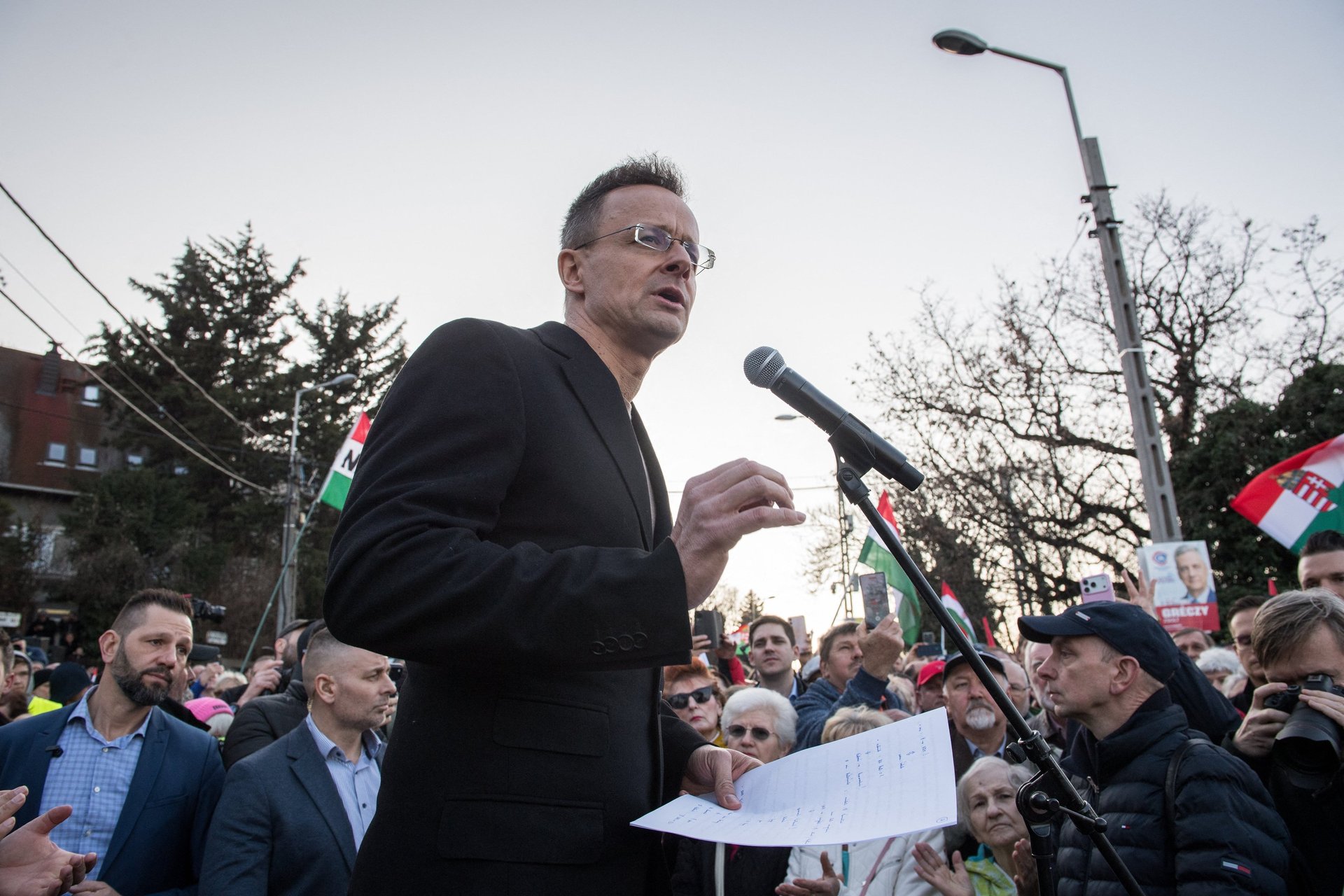
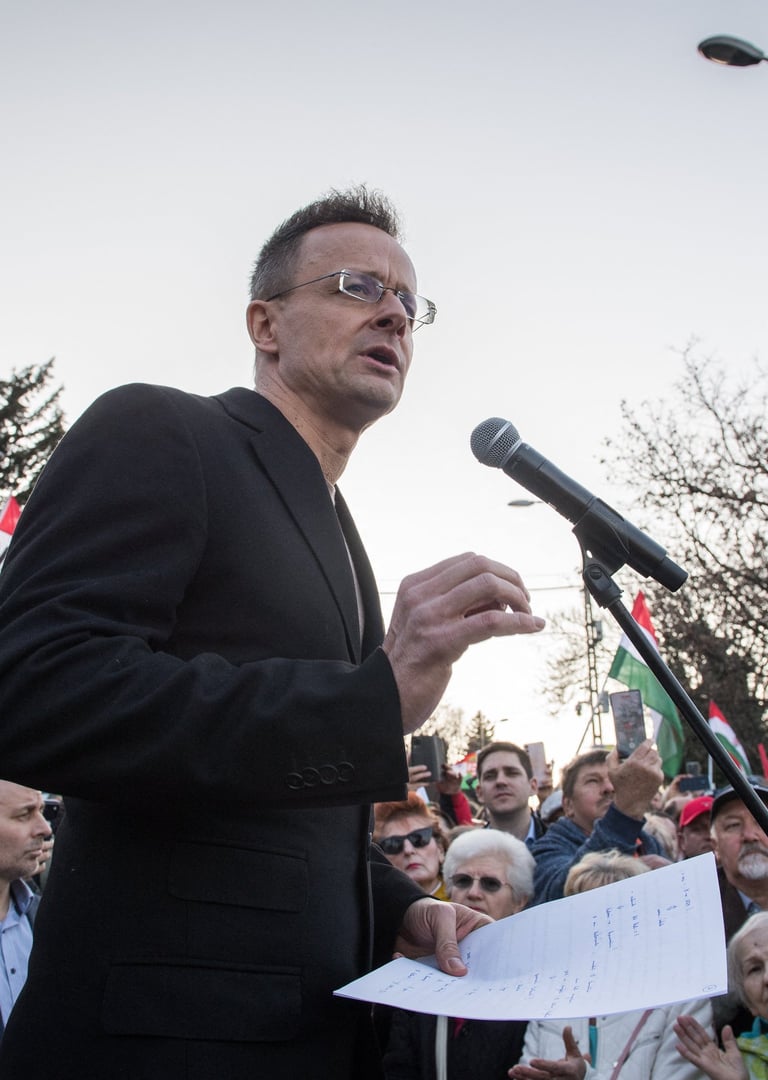
Outgoing Hungarian officials reportedly destroyed documents after their election defeat.
For requests or suggestions: pr@hungarianinstitute.com
Learn the official language of Hungary in 30 days thanks to the most complete Grammar, Vocabulary and Culture course available.
Start speaking Hungarian today!
© Copyright 2026 Hungarian Institute
Come visit Hungary!