
Electoral Engineering Backfires as Hungary’s Voting System Produces Dramatic Power Shift
Structural distortions in district design amplify a modest vote swing into a decisive parliamentary majority
A combination of electoral manipulation (választási manipuláció) and structural features within Hungary’s voting system contributed to a dramatic political reversal in the 2026 parliamentary election. The governing party, which had maintained power for 16 years, lost decisively despite previously benefiting from rules that had amplified its representation. The outcome illustrates how mechanisms designed to secure dominance can generate instability when voter preferences shift.
Hungary’s electoral framework combines two distinct mechanisms: proportional representation (arányos képviselet) for 93 seats and single-member districts (egyéni választókerületek) for 106 seats. This hybrid system creates conditions where outcomes can diverge significantly from overall vote shares. The single-member component, in particular, operates on a winner take all system (győztes mindent visz rendszer), meaning that small differences in vote totals can produce disproportionately large differences in seat allocation.
Over multiple election cycles, the governing party reinforced its position through gerrymandering (választókerületi határok manipulálása) and malapportionment (aránytalan képviselet). District boundaries were drawn to concentrate opposition voters into fewer constituencies, a strategy known as vote packing (szavazók tömörítése), while supporters were distributed across a larger number of districts to maximise electoral efficiency. At the same time, variations in district population sizes increased the relative weight of votes in less populated areas.
These practices produced significant distortions between votes and seats. In earlier elections, the governing party secured a relatively modest share of the national vote yet achieved overwhelming parliamentary dominance. For example, outcomes included scenarios where just over half of the vote translated into large supermajorities, reflecting a persistent votes-to-seats distortion (szavazat–mandátum torzulás) that reinforced executive power.
The 2026 election reversed this dynamic. A shift in voter support resulted in a sharp decline for the incumbent party, which received only 39 percent of the national vote. At the same time, the opposition secured over half of total votes, enabling it to benefit from the same structural advantages previously exploited by the government. This produced a disproportionate seat allocation (aránytalan mandátumelosztás) in favour of the new majority.
The outcome in single-member districts was particularly decisive. The opposition won 92 out of 106 constituencies, equivalent to 87 percent of those seats, demonstrating a strong district-level sweep (választókerületi elsöprés) effect. When combined with proportional results, this translated into approximately two-thirds of parliamentary seats, granting the new leadership the authority required for constitutional changes.
This phenomenon reflects the inherent volatility of systems based on single-member districts. Even a relatively limited shift in voter preferences can produce dramatic changes in representation, especially when many constituencies are closely contested. Such dynamics are often described as a pendulum effect (ingadozó hatás), where electoral outcomes swing sharply between competing forces.
Comparable patterns have been observed in other countries using similar systems. In the United States, relatively small changes in national vote share have historically led to large shifts in congressional seats. In the United Kingdom, minimal increases in vote percentages have resulted in substantial parliamentary gains due to the structure of district-based elections. These cases illustrate the broader implications of majoritarian electoral systems (többségi választási rendszerek) in amplifying political change.
In contrast, systems based entirely on proportional representation tend to produce outcomes more closely aligned with voter preferences. Under such frameworks, seat distribution corresponds more directly to vote share, reducing the likelihood of extreme outcomes and limiting opportunities for institutional manipulation (intézményi manipuláció). This difference highlights the role of electoral design in shaping political stability and fairness.
The Hungarian case demonstrates how mechanisms intended to consolidate power can ultimately undermine it when electoral conditions change. Structural features such as district design and population imbalance created an environment where political dominance depended on maintaining consistent voter support. Once that support shifted, the same system produced a rapid redistribution of power.
The broader implication is that electoral systems play a central role in determining not only representation but also the resilience of political structures. Systems characterised by high levels of distortion may enable prolonged dominance but also increase the risk of abrupt transitions when underlying voter behaviour changes, reinforcing the importance of electoral fairness (választási igazságosság) and institutional balance.
Key Hungarian Vocabulary
választási manipuláció electoral manipulation
arányos képviselet proportional representation
egyéni választókerületek single-member districts
győztes mindent visz rendszer winner take all system
választókerületi határok manipulálása gerrymandering
aránytalan képviselet malapportionment
szavazók tömörítése vote packing
szavazat–mandátum torzulás votes-to-seats distortion
aránytalan mandátumelosztás disproportionate seat allocation
választókerületi elsöprés district-level sweep
ingadozó hatás pendulum effect
többségi választási rendszerek majoritarian electoral systems
intézményi manipuláció institutional manipulation
választási igazságosság electoral fairness
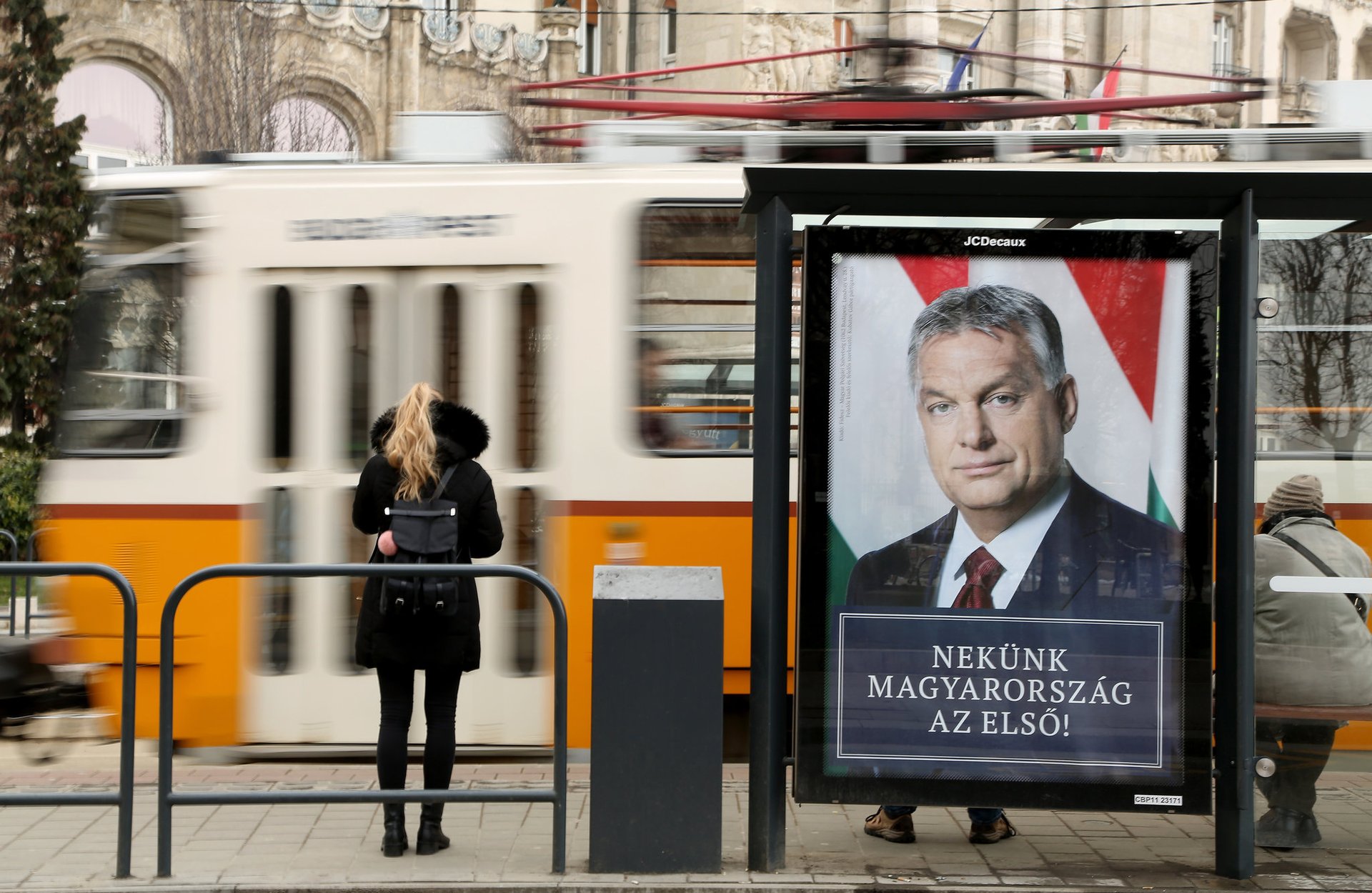
The latest Hungarian election shows that even strongmen can lose.
For requests or suggestions: pr@hungarianinstitute.com

Learn the official language of Hungary in 30 days thanks to the most complete Grammar, Vocabulary and Culture course available.
Start speaking Hungarian today!
© Copyright 2026 Hungarian Institute
Come visit Hungary!