
Forced Labour Allegations Surface at BYD’s Hungary Plant Amid Expanding Global Scrutiny
Investigations highlight labour practices, subcontracting structures, and regulatory risks in Europe
Allegations of forced labour indicators (kényszermunka mutatók) have emerged at the construction site of an electric vehicle manufacturing plant in Szeged, Hungary. A nonprofit organization reported findings based on interviews with 50 Chinese workers involved in the project, pointing to excessive working hours (munkaidő túlterhelés) of up to 14 hours per day and continuous seven-day workweeks. The investigation also identified wage delays (bérkifizetési késedelem) extending up to three months, alongside recruitment fees that contributed to debt bondage (adósságrabszolgaság), a condition where workers remain tied to employment due to financial obligations.
Workers reported being instructed to misrepresent their conditions to inspectors, concealing the true scale of labour violations (munkaügyi jogsértések). Weekly working time reportedly exceeded 70 hours, and many individuals entered Hungary using business visas (üzleti vízum) rather than proper employment permits. This administrative status limited access to healthcare services and reduced legal protections in cases of workplace injury. Additionally, language barriers (nyelvi akadályok) restricted workers’ ability to report abuses or seek assistance from local authorities.
The employment structure at the site involved multiple layers of subcontracting, creating a system of contracting opacity (szerződéses átláthatatlanság) that complicated accountability. Workers were hired through intermediary firms, including a Hungarian construction company linked to a larger Chinese group. This arrangement enabled the primary company to distance itself from direct responsibility, a mechanism described as a subcontractor liability shield (alvállalkozói felelősség elhárítása). Similar responses had been observed in previous cases involving overseas construction projects.
Evidence suggests a recurring pattern of labour exploitation practices (munkaerő-kizsákmányolási gyakorlatok) linked to the same construction network. In a prior investigation in Brazil, workers were found living in overcrowded conditions (túlzsúfolt körülmények), experiencing withheld wages and extended working hours. Reports also indicated that passports had been confiscated by subcontractors, further restricting worker mobility. These findings led to the company being added to a national registry associated with forced labour, limiting access to certain forms of public financing.
The Hungary-based project holds strategic importance as part of a broader European expansion plan. The Szeged facility represents the company’s first manufacturing base in Europe and is central to its efforts to establish local production capacity (helyi gyártási kapacitás) and navigate anti-subsidy tariffs (támogatásellenes vámok) imposed by the European Union. Ensuring compliance with local regulations is therefore critical for maintaining operational viability within the European market.
Regulatory scrutiny intensified following the death of a Chinese worker at the construction site in February 2026. Local authorities initiated a workplace safety investigation (munkahelyi biztonsági vizsgálat), while media coverage began to focus on broader concerns related to safety standards. The nonprofit organization shared its findings with Hungarian authorities and called for the violations to be assessed under both national legislation and international labour standards (nemzetközi munkaügyi normák).
Political developments in Hungary have further influenced the context of the case. A recent change in government leadership introduced a revised approach to foreign investment, emphasizing stricter adherence to regulatory compliance (szabályozási megfelelés) in environmental, health, and occupational safety areas. The new administration has indicated that future investments must generate measurable benefits for the domestic economy rather than relying on imported labour and capital, reinforcing expectations around economic contribution requirements (gazdasági hozzájárulási követelmények).
The implications of these allegations extend beyond Hungary, particularly in regions with stringent labour import regulations. A representative involved in the investigation stated that there would be “a serious forced labour risk” in importing vehicles produced under such conditions into Canada. This raises concerns about supply chain accountability (ellátási lánc elszámoltathatóság) and compliance with international trade frameworks that restrict goods associated with forced labour.
The situation highlights increasing global scrutiny of labour conditions within multinational manufacturing projects, especially in sectors undergoing rapid expansion such as electric vehicle production. Compliance with both local and international standards is becoming a determining factor in market access, particularly in jurisdictions with strict enforcement of human rights due diligence (emberi jogi átvilágítás) requirements. The outcome of ongoing investigations may therefore influence not only this project but also broader operational strategies in international markets.
Key Hungarian Vocabulary
kényszermunka mutatók forced labour indicators
munkaidő túlterhelés working hours overload
bérkifizetési késedelem wage delays
adósságrabszolgaság debt bondage
munkaügyi jogsértések labour violations
üzleti vízum business visa
nyelvi akadályok language barriers
szerződéses átláthatatlanság contracting opacity
alvállalkozói felelősség elhárítása subcontractor liability shield
munkaerő-kizsákmányolási gyakorlatok labour exploitation practices
túlzsúfolt körülmények overcrowded conditions
helyi gyártási kapacitás local production capacity
támogatásellenes vámok anti-subsidy tariffs
munkahelyi biztonsági vizsgálat workplace safety investigation
nemzetközi munkaügyi normák international labour standards
szabályozási megfelelés regulatory compliance
gazdasági hozzájárulási követelmények economic contribution requirements
ellátási lánc elszámoltathatóság supply chain accountability
emberi jogi átvilágítás human rights due diligence
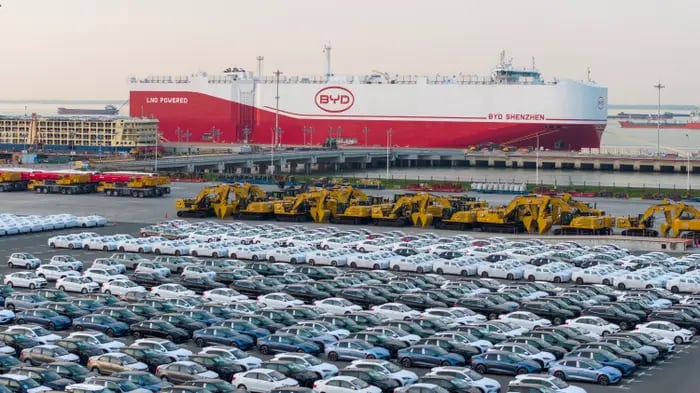
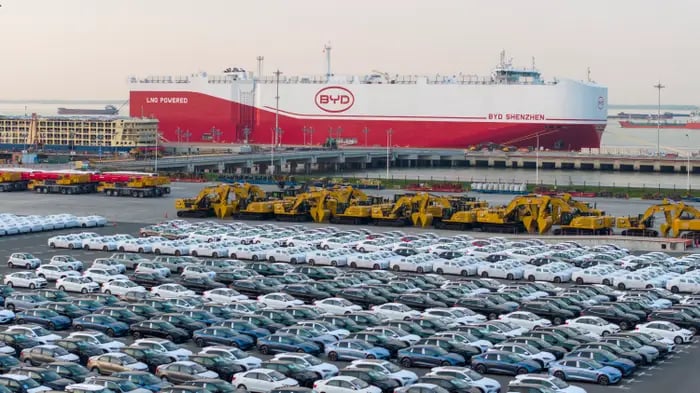
BYD selected Hungary for first EV production facility in Europe.
For requests or suggestions: pr@hungarianinstitute.com

Learn the official language of Hungary in 30 days thanks to the most complete Grammar, Vocabulary and Culture course available.
Start speaking Hungarian today!
© Copyright 2026 Hungarian Institute
Come visit Hungary!