
From Hungarian Aristocracy to Albanian Royalty: The Historical Journey of Princess Geraldine
A life shaped by diplomacy, social engagement, exile, and enduring cross-cultural identity
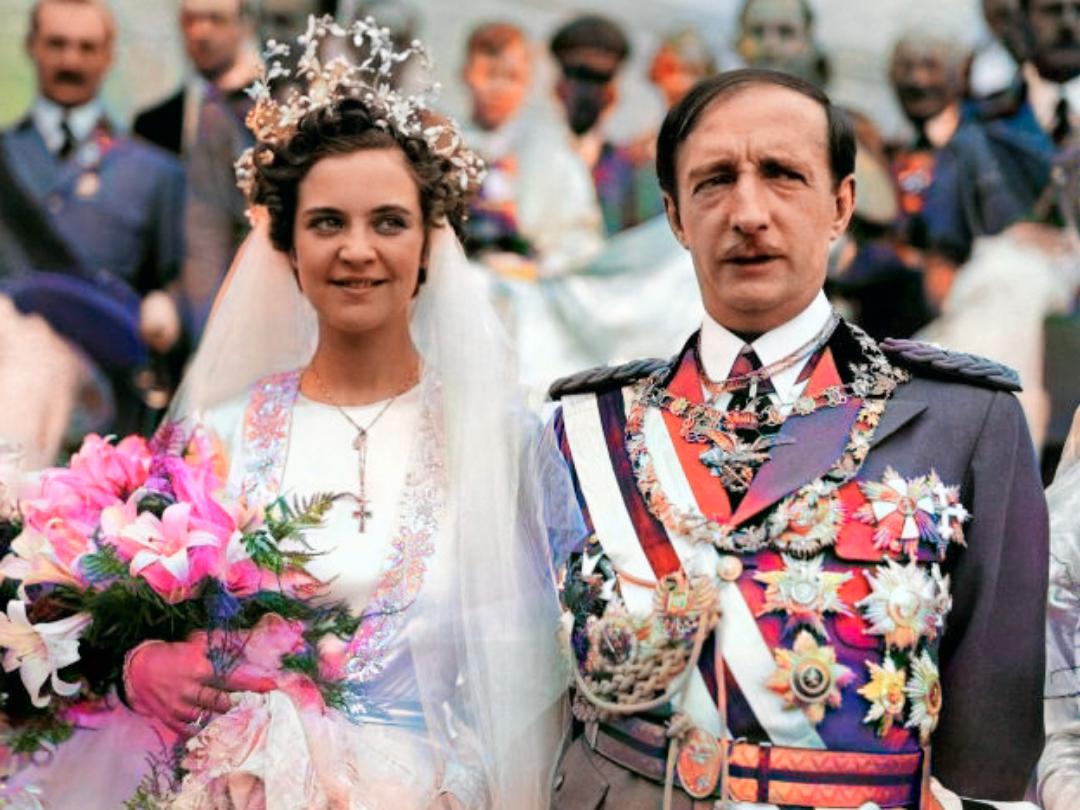
On December 30, 1937, a figure known across Europe as the “White Rose of Hungary” arrived in Tirana, marking the beginning of a turning point shaped by both personal destiny and political context. Her arrival in a city navigating between tradition and modernization represented more than a ceremonial visit; it initiated a process of royal integration (királyi integráció) into a transforming state. During a palace event shortly afterward, she encountered Albania’s monarch, an interaction often described as providential and leading rapidly to dynastic engagement (dinasztikus eljegyzés). By January 27, 1938, the engagement had been officially confirmed, and institutional approval followed through a parliamentary session aligned with the constitutional framework (alkotmányos keretrendszer) of the time.
The elevation to royal status soon followed, marking her transition into Albania’s political and symbolic sphere. This transformation cannot be separated from the broader state-building process (államépítési folyamat) underway during the interwar period. Albania in the late 1920s and 1930s was undergoing reforms influenced by external powers, particularly through foreign policy alignment (külpolitikai igazodás) shaped by Italian involvement. Economic penetration and institutional influence from abroad were increasingly visible, forming the backdrop against which her role would unfold.
The growing influence of Italy created a strategic dilemma for Albania’s leadership. Efforts to counterbalance external dominance led to calculated decisions in both governance and diplomacy. Within this context, the royal marriage carried implications beyond symbolism, functioning as a form of geopolitical signalling (geopolitikai jelzés) aimed at redefining alliances. Choosing a partner from Central Europe rather than Italy suggested an intention toward regional reorientation (regionális újraorientálódás), reflecting deeper concerns about sovereignty and autonomy.
Her role as queen extended beyond ceremonial expectations into active participation in society. She engaged in initiatives that addressed education, hygiene, and the advancement of women, positioning the monarchy as a vehicle for social modernization (társadalmi modernizáció) and institutional outreach (intézményi kapcsolattartás). At a time when traditional norms limited women’s roles, these actions contributed to gradual societal change, demonstrating how royal influence could intersect with reformist efforts.
Her leadership of humanitarian initiatives further reinforced this connection to society. Through involvement in the Red Cross, she visited hospitals, orphanages, and rural communities, emphasizing grassroots engagement (helyi szintű részvétel) and humanitarian outreach (humanitárius tevékenység). These activities helped transform her public image from a distant royal figure into a relatable presence, fostering trust and emotional connection among the population.
Beyond immediate social concerns, her vision included economic and cultural initiatives. Projects such as promoting tourism and proposing winter sports development reflected a forward-looking approach tied to economic diversification (gazdasági diverzifikáció) and cultural development (kulturális fejlődés). These ideas illustrated an awareness of how modernization could extend beyond governance into broader societal transformation.
Her personal identity evolved through the intersection of two distinct cultural environments. Originating from a refined aristocratic background, she carried values associated with discipline and duty into a new setting shaped by different traditions. This dual experience highlights a process of cross-cultural adaptation (kultúrák közötti alkalmazkodás) and identity transformation (identitás átalakulás), as her connection to Albania gradually deepened beyond formal roles into personal belonging.
The trajectory of her life changed abruptly in 1939 with the Italian invasion of Albania, forcing the royal family into exile. This period introduced a prolonged state of forced displacement (kényszerű száműzetés) and historical rupture (történelmi törés), lasting more than sixty years. Despite physical distance, her symbolic role persisted, maintaining a connection that transcended geography and political upheaval.
Her eventual return to Albania in later years carried strong symbolic meaning. It represented not only a personal homecoming but also an affirmation of enduring ties formed through commitment and shared history. This act can be understood as a form of historical reconciliation (történelmi megbékélés) and symbolic continuity (szimbolikus folytonosság), reinforcing the depth of her attachment to the country.
The broader significance of her life lies in the intersection of personal narrative and historical transformation. Her contributions to education, healthcare, and women’s empowerment reflect early steps toward a more inclusive society, while her story illustrates how identity can be shaped through both origin and choice. In this sense, her legacy embodies transnational identity (nemzeteken átívelő identitás) and cultural interconnectedness (kulturális összekapcsoltság), linking Hungarian and Albanian histories within a wider European context.
For requests or suggestions: pr@hungarianinstitute.com
Learn the official language of Hungary in 30 days thanks to the most complete Grammar, Vocabulary and Culture course available.
Start speaking Hungarian today!
© Copyright 2026 Hungarian Institute
Come visit Hungary!