
Hungarian Diaspora Voting: Distrust Drives Cross-Border Ballot Delivery
Concerns over transparency, handling practices, and reliability reshape voting behaviour among ethnic Hungarians in Serbia
A growing distrust in postal voting (bizalmatlanság a levélszavazással szemben) is influencing how ethnic Hungarian voters in Serbia participate in Hungary’s 2026 parliamentary election. Reports indicate that some voters no longer rely on local intermediaries or distribution systems, reflecting a broader confidence crisis (bizalmi válság) affecting Hungarian communities outside Hungary. As election day approaches, concerns about how ballots are handled have begun to shape concrete behavioural changes.
Political mobilisation efforts remain active across the diaspora. The governing party and its partners are seeking to secure mandates through diaspora votes (határon túli szavazatok), while segments of the opposition electorate question whether the system functions with full procedural transparency (eljárási átláthatóság). This divide has contributed to a situation where some voters choose to bypass established channels entirely.
In several towns in northern Serbia, including Topolya, Subotica, and Zenta, groups of voters have started coordinating independently. Their strategy focuses on avoiding local submission points and instead ensuring direct ballot delivery (közvetlen szavazatkézbesítés) within Hungary. This shift reflects concerns about ballot handling practices (szavazólap-kezelési gyakorlatok) and the perceived lack of oversight during collection and transport.
The distribution process itself has become a focal point of criticism. Ballot packages are not always delivered through standard postal services but are instead handled by activists associated with the Concordia Minoritatis Hungaricae. These actors may also assist with completing ballots and collect them afterward, raising questions about institutional neutrality (intézményi semlegesség) and chain-of-custody integrity (őrzési lánc sértetlensége). Several accounts suggest that these procedures are not consistently transparent.
One reported interaction highlights the concerns. According to a reader account, activists allegedly offered a ballot intended for someone else, stating: “We can give you an ‘empty’ one, someone else’s who didn’t collect it.” In the same context, another remark was cited: “You need to mark it here, after all, you received your citizenship from them.” These statements have intensified doubts about ballot authenticity (szavazólap hitelessége) and potential undue influence (jogtalan befolyásolás) during the voting process.
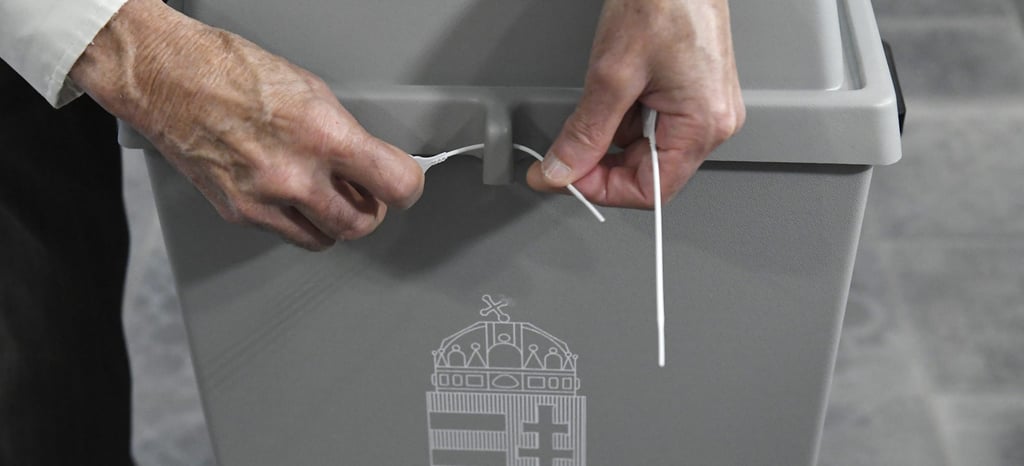
As a result, some voters have opted to physically transport their ballots across the border. In Subotica, individuals reported a lack of trust not only in activists but also in the Serbian postal system and even diplomatic institutions. One voter explained: “Over the years, we’ve learned not to trust anyone, especially when it comes to voting,” highlighting concerns over delivery reliability (kézbesítési megbízhatóság) and whether submitted ballots reach their intended destination.
Criticism has also been directed at informational materials distributed during the campaign. Some voters noted that videos produced by representatives of the Vajdasági Magyar Szövetség did not clearly communicate that ballot envelopes could be sent free of charge from both Serbia and Hungary. This gap in voter information (választói tájékoztatás) may have limited awareness of available options and contributed to procedural uncertainty (eljárási bizonytalanság).
Additional anecdotal reports reinforce the broader pattern of mistrust. One voter described how ballot envelopes were delivered without notification: “didn’t knock or ring the bell, they simply dropped the envelope in the letterbox,” raising concerns about secure delivery standards (biztonságos kézbesítési szabványok) and accountability. In response, groups of voters have organised informal transport arrangements, often relying on trusted individuals to carry multiple ballots across the border.
Timing considerations further influence these decisions. Since ballots must arrive by election day, voters factor in travel time and postal efficiency when choosing where to send them. Posting ballots from within Hungary is seen as a way to minimise delays and reduce risks associated with cross-border logistics, reinforcing the importance of timely submission (időbeni benyújtás) and logistical certainty (logisztikai biztonság).
Beyond voting procedures, the broader political climate remains tense. Reports of alleged explosive devices near a Serbia–Hungary gas pipeline and claims of a possible “false flag” operation have added to the charged pre-election environment. These developments contribute to an atmosphere where electoral trust (választási bizalom) and institutional credibility (intézményi hitelesség) are increasingly strained in the public discourse.
For requests or suggestions: pr@hungarianinstitute.com

Learn the official language of Hungary in 30 days thanks to the most complete Grammar, Vocabulary and Culture course available.
Start speaking Hungarian today!
© Copyright 2026 Hungarian Institute
Come visit Hungary!