
Hungary Faces Political Reset After Orbán Era Ends
Election outcome grants sweeping mandate while raising expectations and uncertainty across society
Hungary is entering a period of transition after a decisive electoral shift that ended 16 years of leadership under Viktor Orbán, prompting widespread debate about the country’s political transformation (politikai átalakulás). The opposition leader Péter Magyar secured a commanding victory, leading many citizens and observers across Europe to reassess Hungary’s future direction. The result has been described as an election earthquake (választási földrengés), reflecting the scale of change in voter sentiment.
The outcome has generated strong public reactions, particularly in Budapest, where large crowds gathered to celebrate what they viewed as a turning point. Many participants expressed optimism that the result could lead to a democratic renewal (demokratikus megújulás) and reinforce Hungary’s position within European political structures. The atmosphere in the capital reflected a sense of civic engagement (állampolgári részvétel), especially among younger voters who played a visible role in the celebrations.
During the post-election gatherings, individuals shared personal motivations for participating in the vote. Adrien Rixer stated: “because I really wanted to make my vote count, and I’m over the moon”. Another participant added: “Finally I can say that I’m a proud Hungarian, finally after 16 years,” illustrating the emotional response tied to the perceived restoration of national identity (nemzeti identitás helyreállítása) following the change in leadership.
Magyar’s campaign centered on reversing what he described as a shift away from European integration. He pledged to strengthen ties with EU partners and address concerns about rule of law erosion (jogállamiság eróziója) that had developed over previous years. His program includes tackling corruption and promoting a system defined by institutional accountability (intézményi elszámoltathatóság) and transparency in governance.
The scale of the electoral victory gives the incoming administration substantial legislative authority. The Tisza party secured 138 out of 199 parliamentary seats, achieving a two-thirds majority (kétharmados többség), which enables significant legal and constitutional changes. This level of control allows the government to revise policies introduced during the previous administration, including those affecting the judiciary, electoral framework, and media environment.
Under Orbán’s tenure, Hungary underwent extensive institutional restructuring. His government used its parliamentary supermajority to adopt a new constitution, modify electoral rules, and reshape judicial institutions. Critics have argued that these changes contributed to judicial influence (igazságszolgáltatási befolyás) and limitations on press freedom (sajtószabadság), while also affecting minority rights and broader civil protections.
Magyar has stated that his government intends to reverse measures that concentrated power and to rebuild frameworks supporting democratic governance. His agenda includes addressing systemic corruption (rendszerszintű korrupció) and investigating the accumulation of wealth among politically connected individuals. He has proposed establishing mechanisms to recover assets that he claims were improperly acquired, focusing on asset recovery processes (vagyonvisszaszerzési folyamatok).
Economic policy is also expected to play a central role in the new administration’s priorities. Magyar has criticized previous governance for economic mismanagement (gazdasági rossz irányítás) and shortcomings in public services. He has committed to improving social systems and ensuring that economic growth benefits a broader segment of the population, addressing concerns about wealth concentration (vagyonkoncentráció).
Another key objective involves restoring access to European Union funding that had been frozen due to disputes over governance standards. Magyar has pledged to secure the release of these funds, which are tied to compliance with EU requirements on transparency and the rule of law. This effort is linked to strengthening EU financial cooperation (EU pénzügyi együttműködés) and rebuilding trust with European institutions.
The incoming government has also announced plans to introduce the euro by 2030, marking a shift in monetary policy. This proposal reflects a commitment to deeper integration within the EU’s economic framework and aligns with broader goals related to currency integration (valuta integráció) and financial stability.
Despite the optimism expressed by supporters, some citizens have voiced concerns about the concentration of power in the hands of a new leadership with a strong parliamentary majority. One observer remarked: “Its hard to see that with two-thirds that it’s going to be a fair government, but we will see,” highlighting apprehension about maintaining democratic balance (demokratikus egyensúly) under a dominant governing party.
Others have emphasized the importance of ensuring that the new administration fulfills its promises while respecting institutional limits. The transition raises questions about how effectively the government will implement reforms and whether it can deliver on expectations for a more open and accountable system. These concerns reflect ongoing debates about governance stability (kormányzati stabilitás) and the long-term impact of the electoral shift.
Public opinion also reflects broader European perspectives on Hungary’s future. Many see the election result as an opportunity to reinforce alignment with EU values and policies. A resident expressed this view clearly: “We are Europeans and we want to stay in Europe,” underscoring the importance of European alignment (európai igazodás) in shaping national policy.
The coming years will determine how the new leadership translates its electoral mandate into concrete policy outcomes. The scale of the victory provides the tools for significant change, but also places responsibility on the government to manage expectations and maintain institutional integrity. Hungary’s transition represents both a political and structural shift, with implications extending beyond national borders.
Key Hungarian Vocabulary
politikai átalakulás political transformation
választási földrengés election earthquake
demokratikus megújulás democratic renewal
állampolgári részvétel civic engagement
nemzeti identitás helyreállítása restoration of national identity
jogállamiság eróziója rule of law erosion
intézményi elszámoltathatóság institutional accountability
kétharmados többség two-thirds majority
igazságszolgáltatási befolyás judicial influence
sajtószabadság press freedom
rendszerszintű korrupció systemic corruption
vagyonvisszaszerzési folyamatok asset recovery processes
gazdasági rossz irányítás economic mismanagement
vagyonkoncentráció wealth concentration
EU pénzügyi együttműködés EU financial cooperation
valuta integráció currency integration
demokratikus egyensúly democratic balance
kormányzati stabilitás governance stability
európai igazodás European alignment
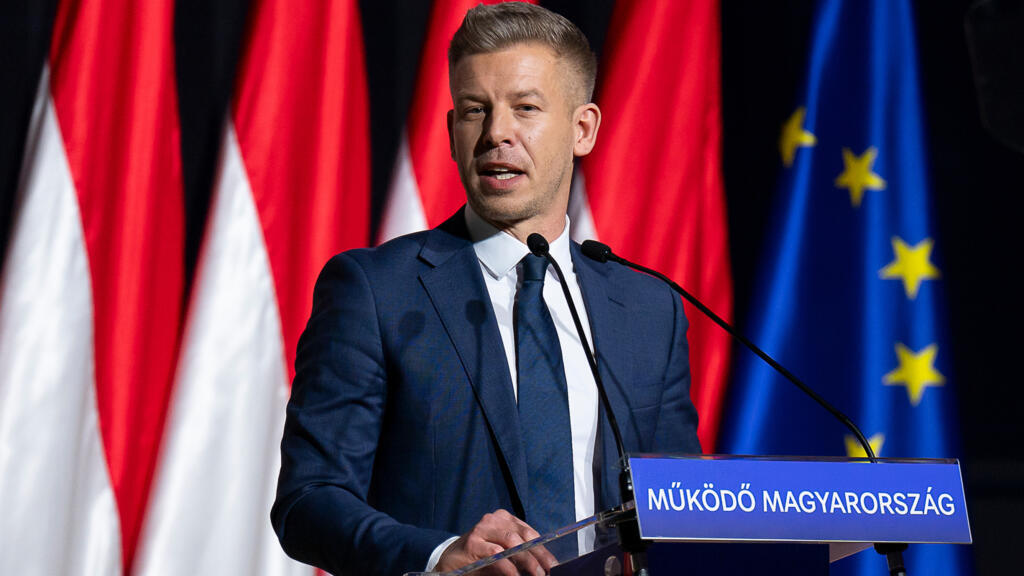
Hungary shifts course as Peter Magyar wins election, signaling pro-Western turn.
For requests or suggestions: pr@hungarianinstitute.com
Learn the official language of Hungary in 30 days thanks to the most complete Grammar, Vocabulary and Culture course available.
Start speaking Hungarian today!
© Copyright 2026 Hungarian Institute
Come visit Hungary!