
Hungary’s Energy Future at a Crossroads After Election Upset
Péter Magyar’s plans to reduce reliance on Russian imports face structural and financial constraints
Hungary’s political shift following the parliamentary elections has brought renewed focus on the country’s energy dependence (energiafüggőség), particularly regarding Russian oil and gas. Péter Magyar, who is expected to become prime minister after securing a decisive victory, has stated that his government would aim to eliminate reliance on Russian energy imports by 2035. This objective aligns with broader European Union strategies initiated after the 2022 invasion of Ukraine, which accelerated efforts toward energy diversification (energiaforrások diverzifikálása) across member states.
Magyar indicated that Hungary would seek closer alignment with EU policies designed to reduce dependency on Moscow, especially in oil and gas supply chains. However, he acknowledged that the country’s geographical constraints (földrajzi korlátok) and existing infrastructure would continue to shape its energy exposure in the near term. As he explained: "The geographical position of neither Russia nor Hungary will change. Our energy exposure will also be here for a while," highlighting the structural limitations affecting immediate policy changes.
He further emphasized that transitioning away from Russian imports would require a gradual process, stating: "Diversification needs to be strengthened, but this won't happen overnight. If necessary, we will negotiate (with Russia), but we won't become friends," underlining a pragmatic approach to supply negotiations (ellátási tárgyalások) while maintaining political distance.
Hungary’s current reliance on Russian crude remains substantial. Data from energy analysts indicates that the country imported approximately 100,000 barrels per day in 2025, accounting for about 90% of its supply. This level of import concentration (importkoncentráció) reflects long-standing infrastructure links, including pipelines dating back to the Soviet era, which continue to anchor Hungary’s position within regional energy networks.
The planned transition would involve reassessing key projects such as the Paks II nuclear expansion, developed in cooperation with Russia. Magyar has signaled that financing arrangements for this project would be reviewed, while also exploring alternatives like modular reactors (moduláris reaktorok) developed with Western partners. These technologies are increasingly viewed as part of the EU’s broader energy transition strategy (energetikai átállási stratégia) aimed at reducing fossil fuel dependence.
Despite political commitments, analysts point out that replacing Russian energy sources will require extensive investment in infrastructure. Building new supply routes, upgrading refineries, and securing alternative imports involve significant costs. Experts note that while Hungary could technically phase out Russian crude over time, the process would impact the profitability of domestic refining (hazai finomítás jövedelmezősége), particularly for the country’s main energy company.
Alternative supply routes already exist, including the Adriatic pipeline, which connects Hungary to seaborne oil imports via Croatia. This route has been highlighted as a viable option for ensuring supply continuity (ellátás folytonossága), especially during disruptions. Analysts also note that Hungary has access to refineries capable of processing non-Russian crude, reinforcing the feasibility of diversification over the long term.
"Alternative options are also available for natural gas. Such a pivot cannot happen overnight, but is perfectly realistic given that there is political will in the years to come," an analyst explained, pointing to the importance of sustained commitment in achieving long-term transition goals (hosszú távú átállási célok). The availability of infrastructure does not eliminate the need for coordinated policy and investment.
Hungary’s position has historically diverged from the EU’s collective approach to reducing Russian energy imports. Under the previous leadership, the country maintained strong ties with Moscow, often complicating EU-wide decisions on sanctions and energy policy. This divergence raised concerns about Hungary acting as a policy outlier (politikai kivétel) within the bloc’s unified strategy.
At the same time, Hungary and Slovakia secured exemptions allowing continued imports of Russian pipeline oil until September 2027, due to their landlocked geography and limited access to alternative suppliers. These exemptions are part of broader EU measures balancing energy security concerns (energiaellátás biztonsága) with geopolitical objectives. However, the EU plans to fully phase out Russian gas imports by that same year, increasing pressure on member states to adapt.
Hungary’s reliance on infrastructure such as the Druzhba pipeline has further complicated the situation. This pipeline, a critical route for Russian oil deliveries, has faced disruptions following damage reportedly caused during military activity. The incident has intensified debates over pipeline reliability (vezeték megbízhatósága) and the risks associated with dependence on a single supply corridor.
While alternative routes like the Adriatic pipeline have ensured continued deliveries in recent weeks, logistical challenges remain. Hungary has explored importing Russian oil via maritime routes through Croatia, but this approach requires approval from pipeline operators and additional coordination. These constraints highlight the complexity of restructuring national energy systems.
The broader geopolitical context has also influenced energy policy decisions. Ongoing conflicts and tensions have contributed to a global energy crisis (globális energiaválság), raising concerns about supply shortages and price volatility. These external factors add further uncertainty to Hungary’s transition plans and complicate efforts to implement rapid changes.
Statements from regional leaders reflect differing perspectives on the issue. Some officials have emphasized the importance of cooperation and infrastructure development to enhance resilience, while others have stressed the economic risks associated with abandoning established supply relationships. The debate illustrates the balance between regional cooperation (regionális együttműködés) and national interests in energy policymaking.
Magyar’s proposed strategy ultimately depends on the ability to combine political intent with practical implementation. While he has committed to reducing dependence on Russian energy and strengthening ties with the European Union, the timeline and feasibility of these goals will be shaped by economic constraints, infrastructure readiness, and evolving geopolitical conditions. The transition represents not only a shift in policy but also a structural transformation of Hungary’s energy system.
Key Hungarian Vocabulary
energiafüggőség energy dependence
energiaforrások diverzifikálása energy diversification
földrajzi korlátok geographical constraints
ellátási tárgyalások supply negotiations
importkoncentráció import concentration
moduláris reaktorok modular reactors
energetikai átállási stratégia energy transition strategy
hazai finomítás jövedelmezősége profitability of domestic refining
ellátás folytonossága supply continuity
hosszú távú átállási célok long-term transition goals
politikai kivétel policy outlier
energiaellátás biztonsága energy security concerns
vezeték megbízhatósága pipeline reliability
globális energiaválság global energy crisis
regionális együttműködés regional cooperation
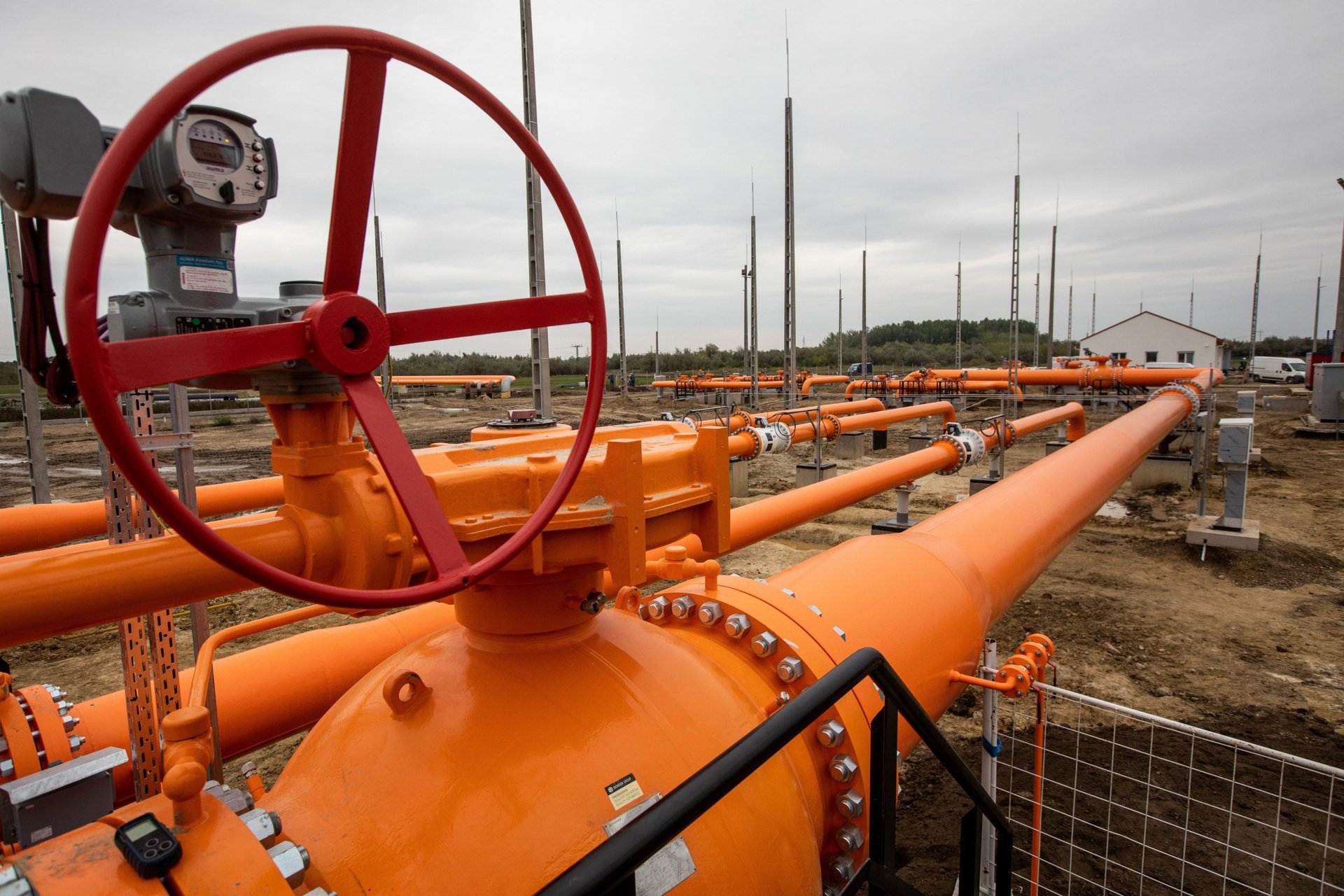
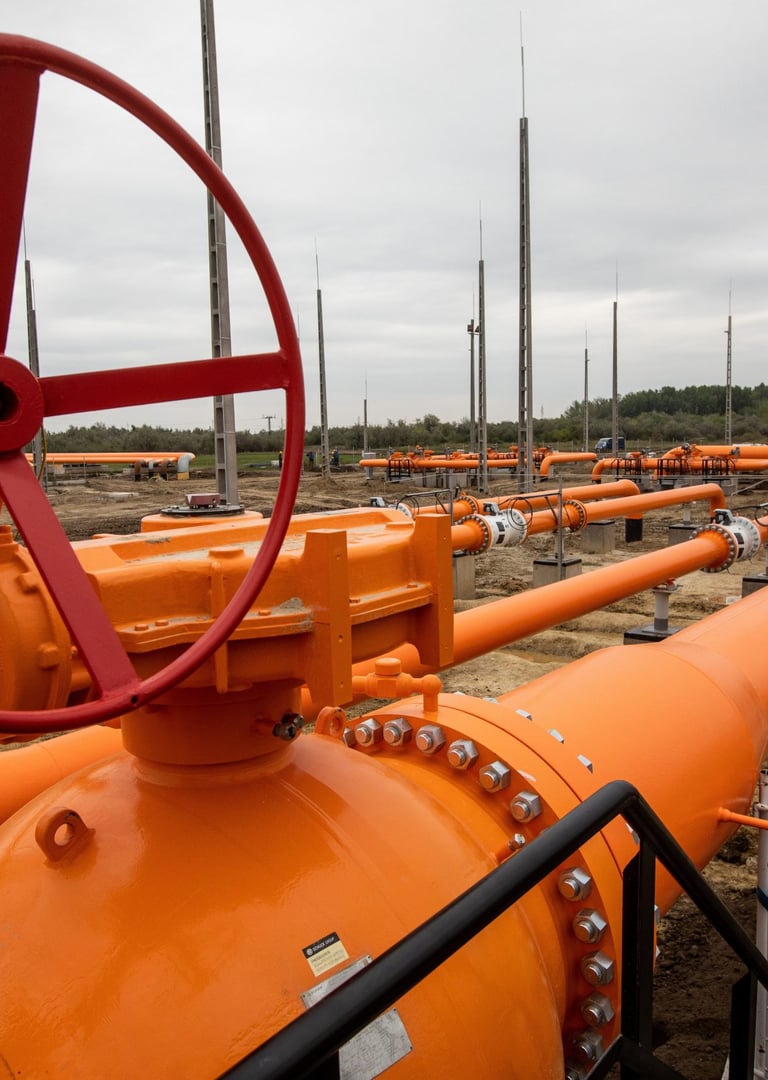
Can Hungary wean itself off Russian energy, as its new leader has promised?
For requests or suggestions: pr@hungarianinstitute.com

Learn the official language of Hungary in 30 days thanks to the most complete Grammar, Vocabulary and Culture course available.
Start speaking Hungarian today!
© Copyright 2026 Hungarian Institute
Come visit Hungary!