
Hungary’s Global Influence in Higher Education Faces Decline After Political Shift
Systemic governance changes, international outreach, and academic constraints under scrutiny
During Viktor Orbán’s 16 years in power, Hungary developed a disproportionate international influence (aránytalan nemzetközi befolyás) in higher education and science policy, despite its relatively small size. This influence, however, did not stem from collaborative or progressive reforms but from the construction and promotion of restrictive governance models. The country’s approach became a reference point in debates about academic governance systems (akadémiai irányítási rendszerek) across multiple regions.
A defining feature of this period was the adoption and adaptation of illiberal policy frameworks (illiberális szakpolitikai keretek). Early legislative measures mirrored foreign models, particularly those originating from Russia and Turkey, with certain laws closely reflecting external regulatory templates (külső szabályozási minták). Over time, Hungary expanded on these foundations, introducing its own mechanisms that further centralized control over universities and research institutions.
One of the most significant structural changes was the introduction of a new university model based on state-controlled funding structures (állami ellenőrzésű finanszírozási struktúrák). Public institutions were placed under the authority of newly created governance bodies, often composed of individuals appointed for life. This system effectively limited institutional independence and reinforced political oversight (politikai felügyelet) across the higher education sector.
Financial policies played a central role in shaping institutional behavior. Universities were subjected to restricted funding levels, described as a resource limitation strategy (erőforrás-korlátozási stratégia), while being bound by rigid governance frameworks. At the same time, selected entities benefited from substantial financial flows, including support directed toward foreign institutions aligned with Hungarian interests. This dual approach created significant imbalances within the system.
The domestic consequences were extensive. Several institutions experienced closures or severe restructuring as part of a broader institutional reorganization process (intézményi átszervezési folyamat). Research bodies and universities were required to conform to centrally defined models, often resulting in reduced autonomy and operational capacity. In some cases, academic programs were discontinued due to political considerations rather than academic evaluation.
The impact on the scientific community included a notable increase in academic emigration (akadémiai kivándorlás). Since 2010, many researchers and educators have left Hungary, contributing to a decline in the knowledge production capacity (tudástermelési kapacitás) of the country. This trend affected not only research output but also the broader ecosystem of innovation and higher education.
Beyond domestic reforms, Hungary actively promoted its governance model internationally through foreign influence initiatives (külföldi befolyásolási kezdeményezések). These efforts included establishing new institutions abroad, acquiring control over existing ones, and supporting networks designed to disseminate Hungarian approaches. Significant financial resources were allocated to these activities, reflecting a coordinated strategy of international engagement.
Another mechanism involved the creation of well-funded organizations within Hungary tasked with external outreach. These entities functioned as platforms for ideological dissemination (ideológiai terjesztés), targeting audiences in Europe, Central Asia, and the United States. Financial support extended to foreign policymakers, academics, and public figures, facilitating the spread of Hungarian-inspired regulatory concepts.
The scale of funding directed toward such initiatives was substantial. Certain organizations received allocations that exceeded the combined budgets of all public universities in Hungary, illustrating the prioritization of strategic influence spending (stratégiai befolyásolási kiadások). This financial commitment underscored the importance placed on shaping international discourse in higher education.
Following the recent electoral change, these international activities are expected to diminish significantly. The incoming government has signaled an intention to halt externally focused campaigns (külső orientációjú kampányok) and reorient national priorities. This shift represents a potential turning point in Hungary’s role within global academic networks.
However, reversing domestic policies presents a more complex challenge. The existing system of ideological control mechanisms (ideológiai ellenőrzési mechanizmusok) remains embedded within institutional structures. Restoring academic freedom and organizational autonomy will require comprehensive reforms addressing governance, funding, and regulatory frameworks.
Hungary has previously committed to upholding key principles within the European Higher Education Area, including academic freedom (akadémiai szabadság) and institutional autonomy (intézményi autonómia). These commitments, alongside obligations under international agreements on scientific research, establish a framework for potential reform.
The direction of future policy will depend on how effectively the new leadership implements changes aimed at aligning Hungary with Western-oriented academic standards (nyugati orientációjú akadémiai normák). Achieving this objective will involve rebuilding institutional trust, strengthening governance practices, and addressing the long-term effects of prior reforms.
The transformation of Hungary’s higher education system will therefore require sustained effort across multiple dimensions. While the reduction of international influence activities may occur relatively quickly, the process of restoring a balanced and autonomous academic environment is likely to unfold over a longer period.
Key Hungarian Vocabulary
aránytalan nemzetközi befolyás disproportionate international influence
akadémiai irányítási rendszerek academic governance systems
illiberális szakpolitikai keretek illiberal policy frameworks
külső szabályozási minták external regulatory templates
állami ellenőrzésű finanszírozási struktúrák state-controlled funding structures
politikai felügyelet political oversight
erőforrás-korlátozási stratégia resource limitation strategy
intézményi átszervezési folyamat institutional reorganization process
akadémiai kivándorlás academic emigration
tudástermelési kapacitás knowledge production capacity
külföldi befolyásolási kezdeményezések foreign influence initiatives
ideológiai terjesztés ideological dissemination
stratégiai befolyásolási kiadások strategic influence spending
külső orientációjú kampányok externally focused campaigns
ideológiai ellenőrzési mechanizmusok ideological control mechanisms
akadémiai szabadság academic freedom
intézményi autonómia institutional autonomy
nyugati orientációjú akadémiai normák Western-oriented academic standards
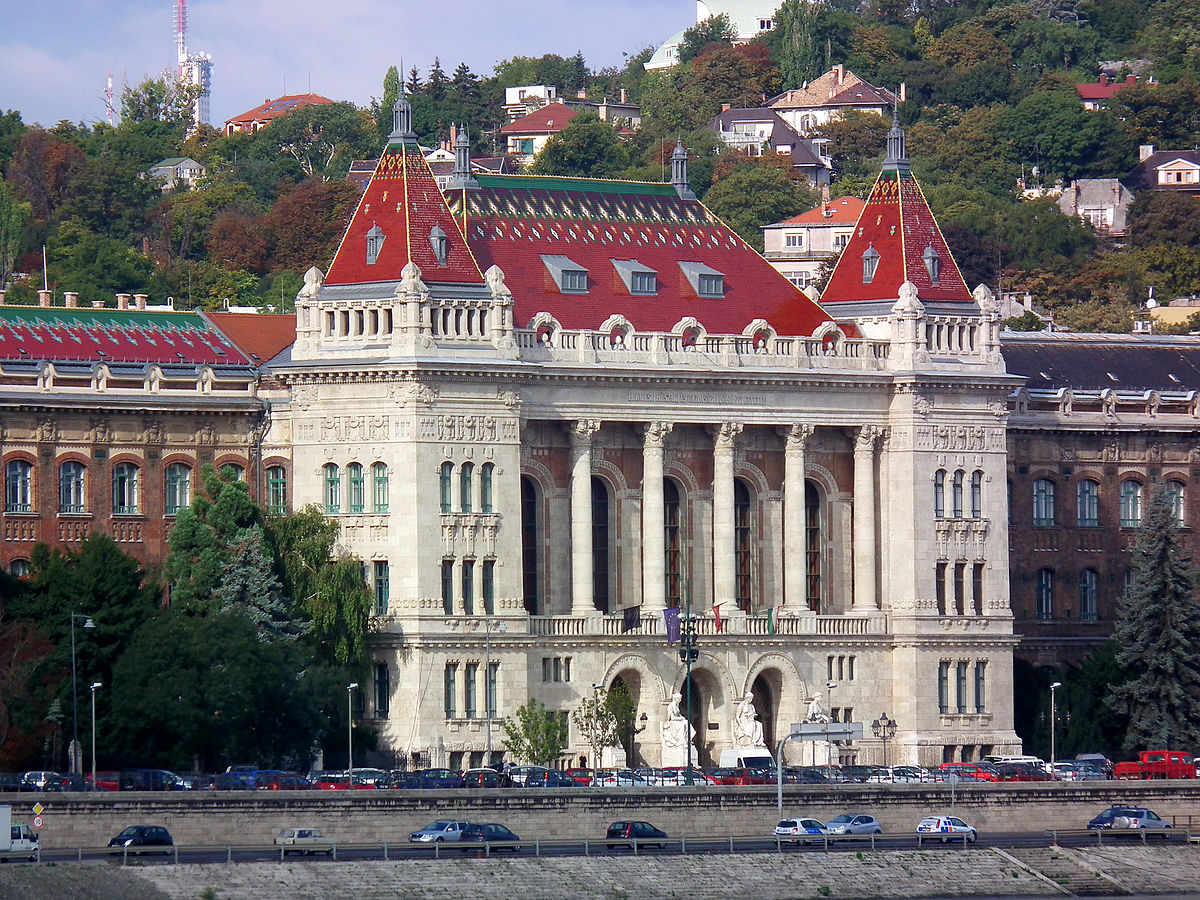
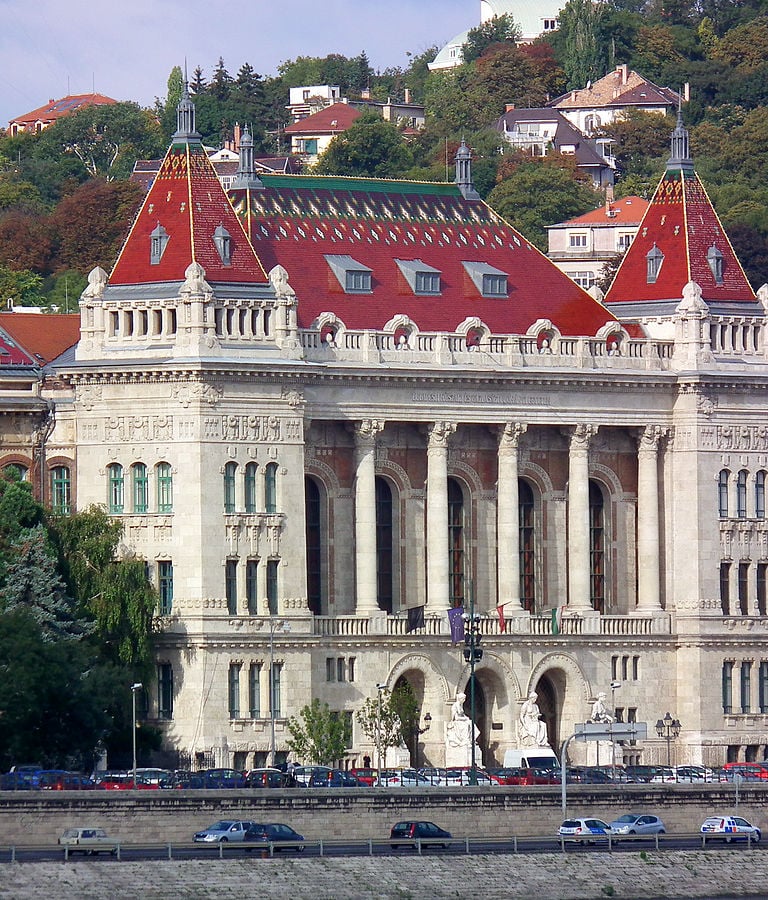
Hungary: Budapest University of Technology and Economics.
For requests or suggestions: pr@hungarianinstitute.com
Learn the official language of Hungary in 30 days thanks to the most complete Grammar, Vocabulary and Culture course available.
Start speaking Hungarian today!
© Copyright 2026 Hungarian Institute
Come visit Hungary!