Hungary’s Incoming Leader Confronts State Media and Promises Structural Overhaul
Péter Magyar signals sweeping changes after election victory and criticizes long-standing media practices
Hungary’s prime minister-elect delivered a direct challenge to the country’s state-controlled media (állami irányítású média) during a televised appearance, declaring that the current system functions as a propaganda machine (propagandagépezet) and warning that its operations will not continue under his administration. The remarks followed a decisive electoral outcome that ended a prolonged period of centralized political control. The incoming leader emphasized that media institutions must operate under principles aligned with public accountability (közszolgálati elszámoltathatóság) rather than political influence.
The political shift came after the opposition secured a decisive victory, ending a 16-year period marked by concentrated authority. Analysts have long documented that a large share of the national media landscape operated under indirect or direct political influence, often described as a media concentration (médiakoncentráció) environment. Independent assessments by organizations such as Reporters Without Borders have consistently ranked Hungary lower in press freedom (sajtószabadság) indices over the past decade, citing systemic constraints and editorial pressure.
During the televised exchange, the prime minister-elect sharply criticized the content broadcast over recent years, stating: “What has been happening here since 2010 is something that Goebbels or the North Korean leadership would admire — not a single true word being spoken.” The statement directly addressed what he described as systematic misinformation (rendszerszintű félretájékoztatás) and the absence of editorial independence (szerkesztői függetlenség) within state outlets. He concluded the exchange with a firm assertion: “This cannot continue.”
In the same interview, he accused the broadcaster of excluding him from prior appearances while simultaneously engaging in personal attacks (személyes támadások) targeting him and his close relations. Despite this, he stated: “In any case, I can tell you that we have no personal resentment.” He followed with a policy-oriented declaration: “But one of the elements of our program is that this factory of lies will end after the formation of the Tisza government is formed,” referencing what he called a disinformation system (dezinformációs rendszer) embedded in existing structures.
The broadcaster responded by stating that invitations had been extended multiple times and denied allegations of defamatory coverage. This exchange highlighted ongoing disputes over media access (médiahozzáférés) and the conditions under which political actors can engage with publicly funded platforms. The broader issue reflects a long-standing debate over whether such outlets fulfill their intended role as public service broadcasters (közszolgálati műsorszolgáltatók).
In a separate radio appearance, the incoming leader reinforced his position, stating that “every Hungarian deserves a public service media that broadcasts the truth.” This remark underscored the expectation of institutional reform (intézményi reform) aimed at redefining editorial standards and operational oversight. Policy proposals discussed during the campaign have included restructuring governance mechanisms and revising funding models to ensure operational neutrality (működési semlegesség).
Further statements published on social media indicated that the transition period will include temporary measures affecting existing outlets. He wrote that citizens have “just witnessed the last days of a propaganda machine,” and confirmed plans to suspend operations until their public service character (közszolgálati jelleg) is restored. Such measures, if implemented, would represent a significant intervention in the national media system and raise questions about regulatory authority (szabályozási hatáskör) and legal frameworks governing broadcasting.
The developments come amid broader European discussions on democratic standards and media pluralism. Institutions within the European Union have repeatedly emphasized the importance of media pluralism (médiapluralizmus) and safeguards against political interference. Hungary’s evolving situation is therefore likely to be closely monitored in relation to compliance with rule of law principles (jogállamisági elvek) and commitments tied to EU membership.
Key Hungarian Vocabulary
állami irányítású média state-controlled media
propagandagépezet propaganda machine
közszolgálati elszámoltathatóság public accountability
médiakoncentráció media concentration
sajtószabadság press freedom
rendszerszintű félretájékoztatás systematic misinformation
szerkesztői függetlenség editorial independence
személyes támadások personal attacks
dezinformációs rendszer disinformation system
médiahozzáférés media access
közszolgálati műsorszolgáltatók public service broadcasters
intézményi reform institutional reform
működési semlegesség operational neutrality
közszolgálati jelleg public service character
szabályozási hatáskör regulatory authority
médiapluralizmus media pluralism
jogállamisági elvek rule of law principles
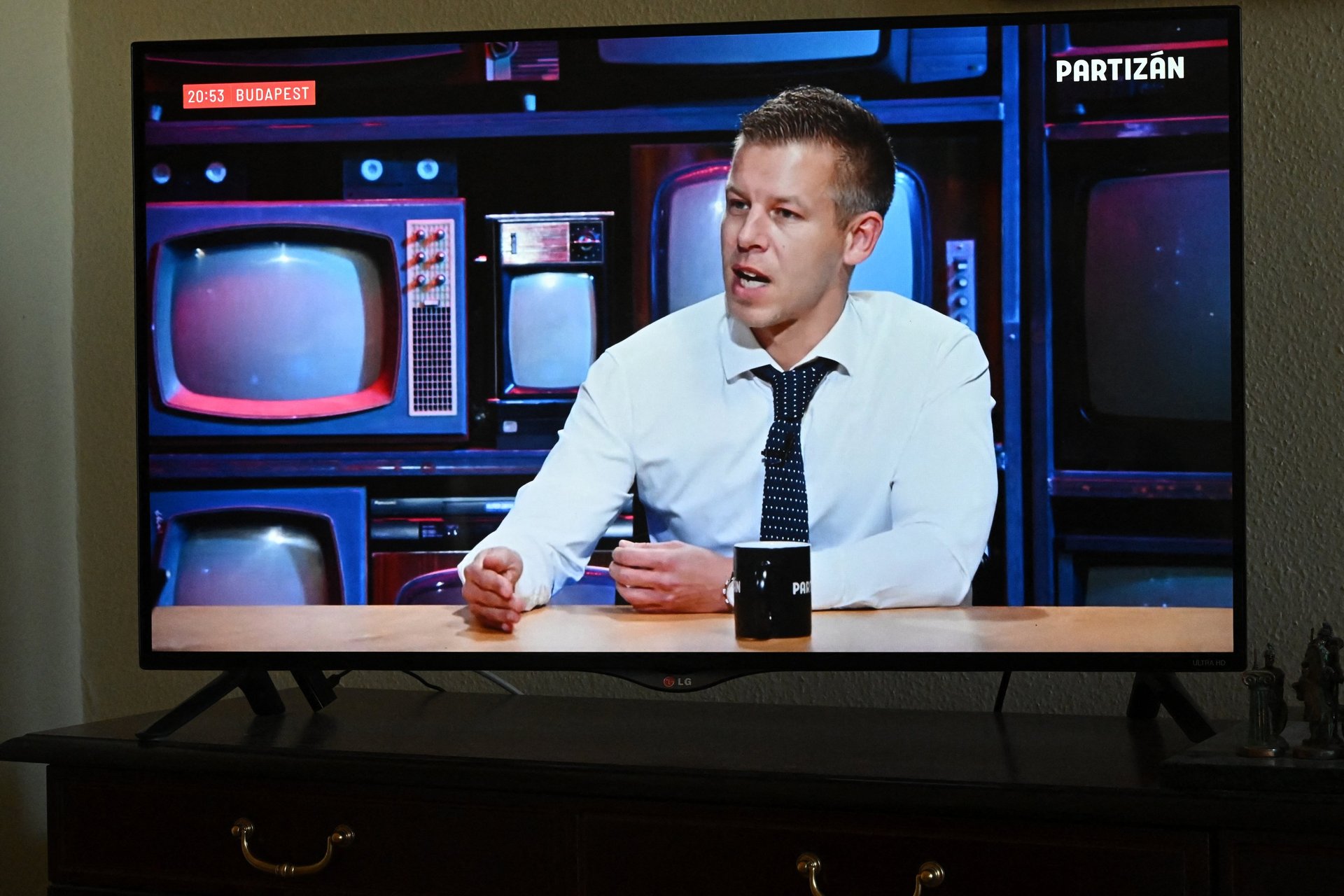
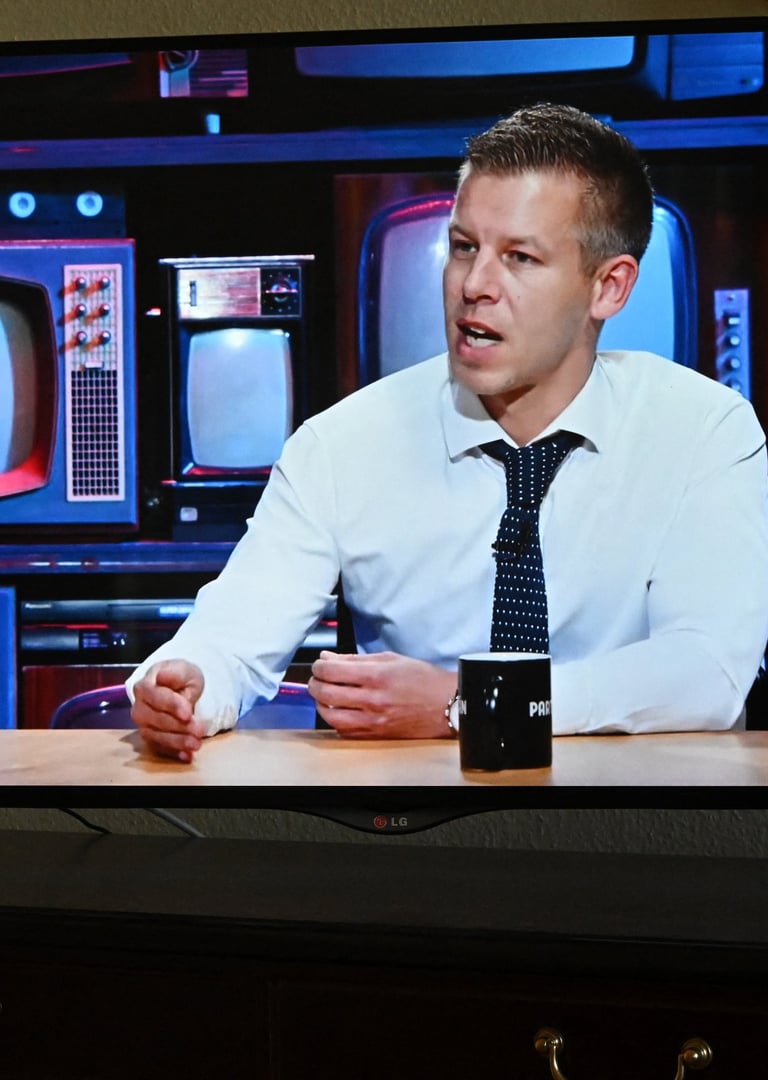
Hungary's new PM vows to restore media freedom.
For requests or suggestions: pr@hungarianinstitute.com
Learn the official language of Hungary in 30 days thanks to the most complete Grammar, Vocabulary and Culture course available.
Start speaking Hungarian today!
© Copyright 2026 Hungarian Institute
Come visit Hungary!