
Online Clash Follows Hungarian Election as Musk Responds to Soros Comment
Political reactions highlight narratives of influence, corruption, and interpretation of electoral outcome
International reactions to Hungary’s recent election included statements from prominent figures in both political and economic spheres, reflecting the broader significance of the result. Among them, Alex Soros publicly welcomed the outcome, describing it as a rejection of entrenched corruption (beágyazott korrupció) and foreign interference (külföldi beavatkozás). His message framed the election as a turning point in governance and accountability, emphasizing the role of voters in reshaping political direction.
The statement was shared on social media and quickly drew attention, illustrating how digital political discourse (digitális politikai diskurzus) shapes international perception of national events. Soros wrote: “The people of Hungary have taken back their country! A resounding rejection of entrenched corruption and foreign interference.” This characterization positioned the election within a broader narrative of democratic renewal and institutional change.
Elon Musk responded publicly to this message, offering his own interpretation of its implications. His reply suggested that the statement implied a different outcome, writing: “Soros Organization has taken over Hungary.” He prefaced this with an asterisk, indicating that it was his reading of the underlying meaning rather than a direct quotation. This exchange reflects contrasting perspectives on political influence narratives (politikai befolyási narratívák) and highlights how interpretations can diverge significantly in public debate.
The interaction also underscores ongoing criticism directed at organizations associated with George Soros. Elon Musk, similar to Hungary’s previous leadership, has repeatedly expressed opposition to the activities of the Open Society Foundations. In earlier remarks, he stated that George Soros “hates humanity,” and criticized policies related to open-border frameworks (nyitott határok politikája), particularly in the context of migration and global governance discussions.
These exchanges illustrate how the Hungarian election has become a focal point for broader ideological debates extending beyond national borders. The discussion touches on themes such as global political influence (globális politikai befolyás) and the role of international actors in shaping domestic developments. The differing interpretations of the election outcome demonstrate the complexity of transnational political narratives (transznacionális politikai narratívák) in contemporary discourse.
The election itself resulted in a decisive victory for the Tisza Party, prompting widespread reactions and commentary from various stakeholders. For some observers, the outcome represents a shift toward increased political accountability (politikai elszámoltathatóság) and alignment with European governance standards. Others interpret it through the lens of external influence and ideological competition, reflecting differing views on sovereignty and international engagement.
Public statements by influential figures often contribute to shaping the broader narrative surrounding political events. In this case, the exchange between Soros and Musk demonstrates how media amplification effects (médiafelerősítő hatások) can extend the impact of individual comments, influencing both public perception and international discourse. Social media platforms play a central role in this process by enabling rapid dissemination and reinterpretation of messages.
The broader context includes long-standing tensions related to the activities of philanthropic and political organizations operating across borders. Debates over their influence are frequently linked to concerns about sovereignty and governance (szuverenitás és kormányzás) and the extent to which external actors should participate in domestic political processes. These issues remain central to discussions about the future direction of Hungary following the election.
Overall, the reactions to the election illustrate how national political developments can trigger immediate and wide-ranging responses at the global level. The differing interpretations of the same event highlight the role of perspective in shaping understanding and underscore the continuing relevance of ideological polarization (ideológiai polarizáció) in international political discourse.
Key Hungarian Vocabulary
beágyazott korrupció entrenched corruption
külföldi beavatkozás foreign interference
digitális politikai diskurzus digital political discourse
politikai befolyási narratívák political influence narratives
nyitott határok politikája open-border frameworks
globális politikai befolyás global political influence
transznacionális politikai narratívák transnational political narratives
politikai elszámoltathatóság political accountability
médiafelerősítő hatások media amplification effects
szuverenitás és kormányzás sovereignty and governance
ideológiai polarizáció ideological polarization
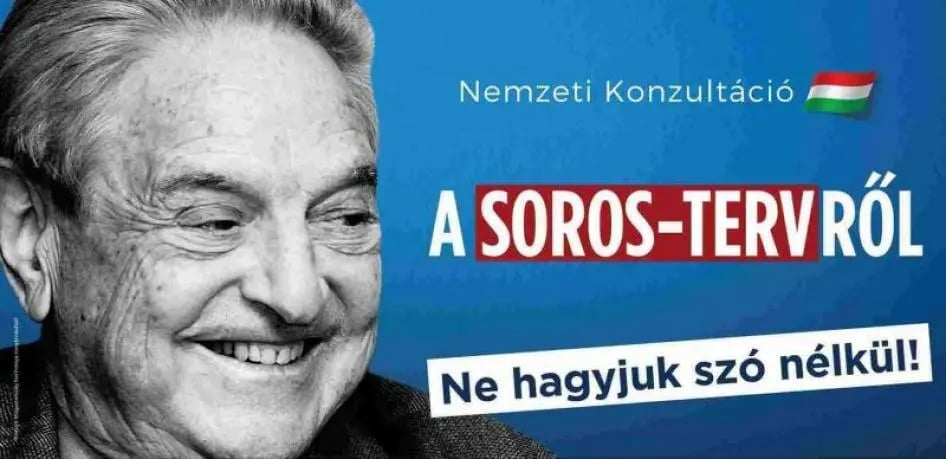
Soros foundation had accused the previous Hungarian government of antisemitism.
For requests or suggestions: pr@hungarianinstitute.com

Learn the official language of Hungary in 30 days thanks to the most complete Grammar, Vocabulary and Culture course available.
Start speaking Hungarian today!
© Copyright 2026 Hungarian Institute
Come visit Hungary!