
Poland Seeks Clarification from Hungary Over Asylum Status in High-Profile Legal Case
European arrest mechanisms and legal cooperation tested amid allegations of financial misconduct
Polish authorities have formally requested clarification from Hungary regarding the asylum status (menedékjog státusz) of two former officials connected to an ongoing criminal investigation. The inquiry, led by the Polish justice minister and prosecutor-general, involves alleged irregularities in the Justice Fund (Igazságügyi Alap), a public mechanism designed to support victims of crime and individuals reintegrating after imprisonment. The request reflects concerns over judicial cooperation (igazságügyi együttműködés) between European Union member states.
Two official letters were sent to Hungarian authorities to determine whether legal protection had been granted and whether it remains valid. One letter addressed to Hungary’s justice minister focused on the enforcement of a European Arrest Warrant (európai elfogatóparancs) issued by a Warsaw court for one of the individuals. It specifically requested information about whether the warrant had been executed and what stage the legal proceedings had reached, highlighting the importance of extradition procedures (kiadatási eljárások) within the EU framework.
A second letter, directed to Hungary’s interior minister, sought confirmation of whether both individuals had received refugee protection (menekültvédelem) or asylum, including the exact dates of any such decisions. Polish prosecutors consider both men suspects in a case involving alleged financial misconduct (pénzügyi visszaélés), including large-scale misappropriation and attempted misuse of public funds. According to the prosecution, one suspect faces 26 charges while the other faces 19, indicating the scale of the alleged public fund misappropriation (közpénzek sikkasztása).
The Polish justice ministry further requested that Hungary take steps to revoke any granted protection if confirmed. Officials argued that maintaining such status could violate European Union law (európai uniós jog) and undermine the mutual trust principle (kölcsönös bizalom elve) that supports cross-border legal instruments like the European Arrest Warrant. This principle is essential for ensuring that judicial decisions are recognized and enforced consistently across member states.
In a televised interview, the Polish justice minister emphasized the lack of reliable public confirmation regarding whether asylum had been granted. He stated that obtaining clarity from Budapest was the primary objective. Referring to a prior response from Hungarian authorities, he added: “Hungary abides by the law.” The statement pointed to ongoing uncertainty surrounding the legal status verification (jogi státusz ellenőrzése) of the individuals involved.
Contradicting the ministry’s position, legal representatives for one of the suspects asserted that documentation confirming international protection (nemzetközi védelem) had already been submitted to the Warsaw Regional Court months earlier. According to the defense, the decision granting protection, along with a certified translation, had been part of the case file since November. The suspect himself supported this claim, stating that he had personally presented the document during court proceedings linked to the arrest warrant, raising questions about evidentiary documentation (bizonyítéki dokumentáció) in the case.
The situation unfolds against the backdrop of recent political developments in Hungary, where a parliamentary election resulted in a shift in leadership. Following the vote, a leading political figure stated that the individuals in question would not remain in Hungary and that the country would not provide refuge to internationally wanted individuals (nemzetközileg körözött személyek). This political stance added another layer to the ongoing legal and diplomatic developments, connecting the case to broader government policy shifts (kormányzati irányváltás).
One of the suspects is currently subject to a renewed European Arrest Warrant issued in February after a previous warrant had been withdrawn late last year. In the other case, prosecutors have already requested the issuance of a warrant, although the court has not yet delivered a ruling. These developments illustrate the procedural complexity of cross-border criminal proceedings (határokon átnyúló büntetőeljárások) and the reliance on coordinated legal action between national systems.
The case also reflects broader challenges in maintaining effective cooperation within the EU’s legal framework. Instruments such as the European Arrest Warrant depend on consistent application and shared standards among member states. Any deviation or uncertainty regarding asylum decisions in such contexts can affect the functioning of transnational justice mechanisms (nemzetek feletti igazságszolgáltatási mechanizmusok), particularly in politically sensitive cases involving former government officials.
Key Hungarian Vocabulary
menedékjog státusz asylum status
Igazságügyi Alap Justice Fund
igazságügyi együttműködés judicial cooperation
európai elfogatóparancs European Arrest Warrant
kiadatási eljárások extradition procedures
menekültvédelem refugee protection
pénzügyi visszaélés financial misconduct
közpénzek sikkasztása public fund misappropriation
európai uniós jog European Union law
kölcsönös bizalom elve mutual trust principle
jogi státusz ellenőrzése legal status verification
nemzetközi védelem international protection
bizonyítéki dokumentáció evidentiary documentation
nemzetközileg körözött személyek internationally wanted individuals
kormányzati irányváltás government policy shift
határokon átnyúló büntetőeljárások cross-border criminal proceedings
nemzetek feletti igazságszolgáltatási mechanizmusok transnational justice mechanisms
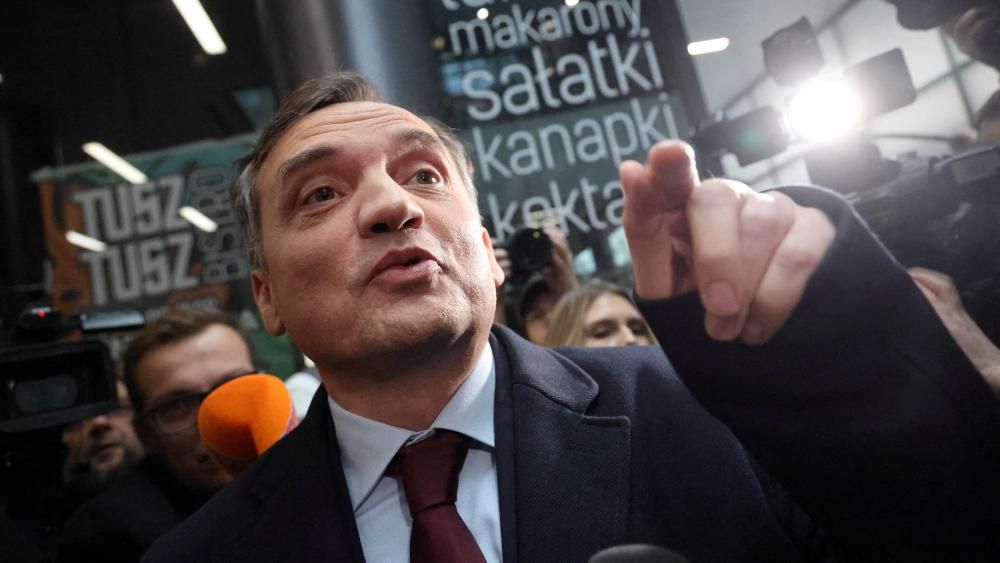
Hungary previously granted political asylum to Polish ex-justice minister Zbigniew Ziobro.
For requests or suggestions: pr@hungarianinstitute.com

Learn the official language of Hungary in 30 days thanks to the most complete Grammar, Vocabulary and Culture course available.
Start speaking Hungarian today!
© Copyright 2026 Hungarian Institute
Come visit Hungary!