
Political Tensions Escalate Between Hungary and Serbia Amid Controversial Remarks
Diplomatic friction emerges following accusations, security concerns, and reaffirmed alliances
Tensions in regional diplomacy (regionális diplomácia) intensified after statements made by a Hungarian political figure triggered a direct response from Serbia’s leadership. During a televised interview, the Serbian president addressed comments suggesting the existence of a hidden influence behind the Hungarian-Serbian-Slovak alliance (magyar-szerb-szlovák szövetség). The remarks were publicly challenged, highlighting growing political tension (politikai feszültség) in the region. The Serbian leader also reaffirmed his long-standing political alignment, stating: “I stand by my friends in good times and bad; I do not let them down,” emphasizing continuity in bilateral relations.
The controversy originated from a statement claiming awareness of a so-called “puppeteer” influence (“bábjátékos” befolyás) shaping regional cooperation. Responding during an evening broadcast, the Serbian president questioned the validity of the claim: “Who is the puppeteer? Come on, answer! Who is the puppeteer? Do you want people to think it is Putin, or who? I would call this statement nonsense, but I do not want to jeopardize our relations with Hungary.” The response underscored the sensitivity surrounding geopolitical narratives (geopolitikai narratívák) and their potential impact on diplomatic stability.
Additional friction emerged over a border security incident (határbiztonsági incidens) involving explosives discovered on the Serbian side of the Hungarian border during Easter. The suggestion that the case could be a false-flag operation (hamis zászlós művelet) added complexity to an already delicate investigation. Serbian authorities rejected this implication and stressed their autonomy in handling the inquiry. The president stated: “It is not his country that is investigating this. We will continue our investigation and inform Péter Magyar of the results. We will show him that he was wrong to believe the nonsense of the tabloid press.” This response reinforced Serbia’s stance on national jurisdiction (nemzeti joghatóság) in security matters.
Further details revealed that the investigation uncovered multiple leads, though officials refrained from disclosing specifics due to the presence of false leads (téves nyomok) and operational risks. One notable element involved a phone communication trace (telefonos kommunikációs nyom) linked to Kosovo. The president explained: “A message was sent here from a number in Pristina; we deliberately chose not to inform the public about it.” This statement highlighted the complexity of cross-border security investigations (biztonsági nyomozások) in the Balkans, where historical and political sensitivities often intersect.
Despite these tensions, the Serbian president emphasized the durability of bilateral relations, particularly his personal and political connection with Hungary’s leadership. He reiterated: “I stand by my friends in good times and bad; I do not turn my back on them,” reinforcing the idea of strategic partnership (stratégiai partnerség). According to him, relations between the two countries have improved significantly over the past two decades, with a notable reduction in conflicts and increased cooperation across sectors.
Economic cooperation remains a key pillar of this relationship, particularly in the energy sector. Reference was made to ongoing discussions involving the TurkStream pipeline (TurkStream vezeték), a major infrastructure project transporting natural gas from Russia to Europe through Turkey and the Balkans. The pipeline has strategic importance for regional energy security (energiaellátás biztonsága), especially for countries seeking stable supply routes independent of traditional transit corridors. Hungary has been one of the main beneficiaries of this system, receiving gas via Serbia since the pipeline became operational in 2021.
In addition, the Serbian president noted that Hungary’s leading oil and gas company is preparing to expand its presence in Serbia. The planned agreement reflects deepening economic integration (gazdasági integráció) and long-term cooperation in the energy sector. The continuation of negotiations signals mutual interest in strengthening infrastructure and supply chains, particularly in light of shifting European energy dynamics following recent geopolitical developments.
Over the past twenty years, Hungary and Serbia have significantly strengthened their bilateral ties, moving from periods of tension to a model of cross-border cooperation (határon átnyúló együttműködés). This transformation has included agreements on trade, infrastructure, and migration management. Both countries have also coordinated positions on key European issues, reinforcing their alignment within broader regional frameworks.
While political disagreements continue to surface, the underlying structure of cooperation remains intact. The Serbian leadership expressed confidence that the existing level of understanding would not be easily undermined, pointing to shared strategic interests and ongoing dialogue mechanisms. The situation illustrates how diplomatic disputes (diplomáciai viták) can coexist with sustained partnerships, particularly in regions where political, economic, and security interests are closely intertwined.
Key Hungarian Vocabulary
regionális diplomácia regional diplomacy
magyar-szerb-szlovák szövetség Hungarian-Serbian-Slovak alliance
politikai feszültség political tension
“bábjátékos” befolyás “puppeteer” influence
geopolitikai narratívák geopolitical narratives
határbiztonsági incidens border security incident
hamis zászlós művelet false-flag operation
nemzeti joghatóság national jurisdiction
téves nyomok false leads
telefonos kommunikációs nyom phone communication trace
biztonsági nyomozások security investigations
stratégiai partnerség strategic partnership
TurkStream vezeték TurkStream pipeline
energiaellátás biztonsága energy security
gazdasági integráció economic integration
határon átnyúló együttműködés cross-border cooperation
diplomáciai viták diplomatic disputes
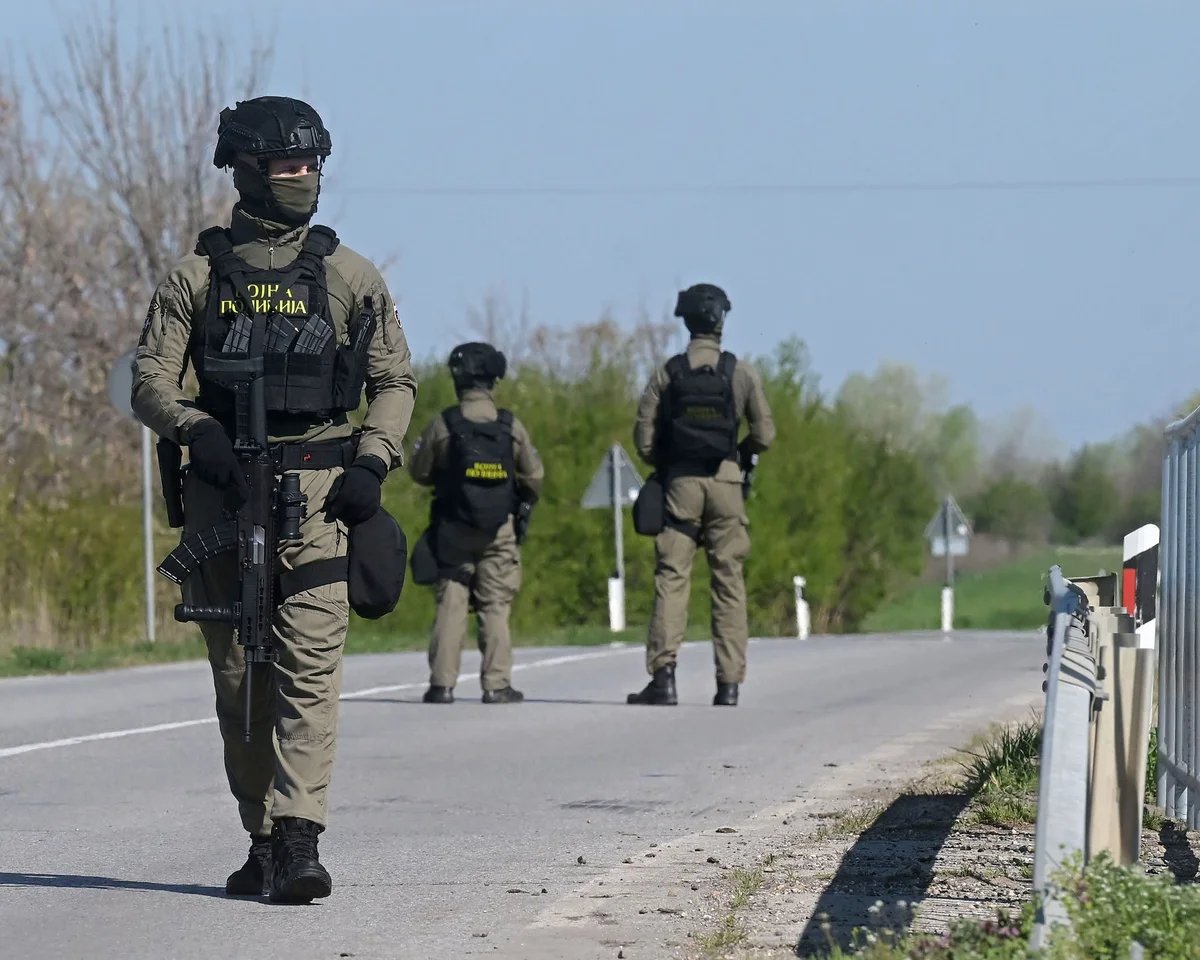
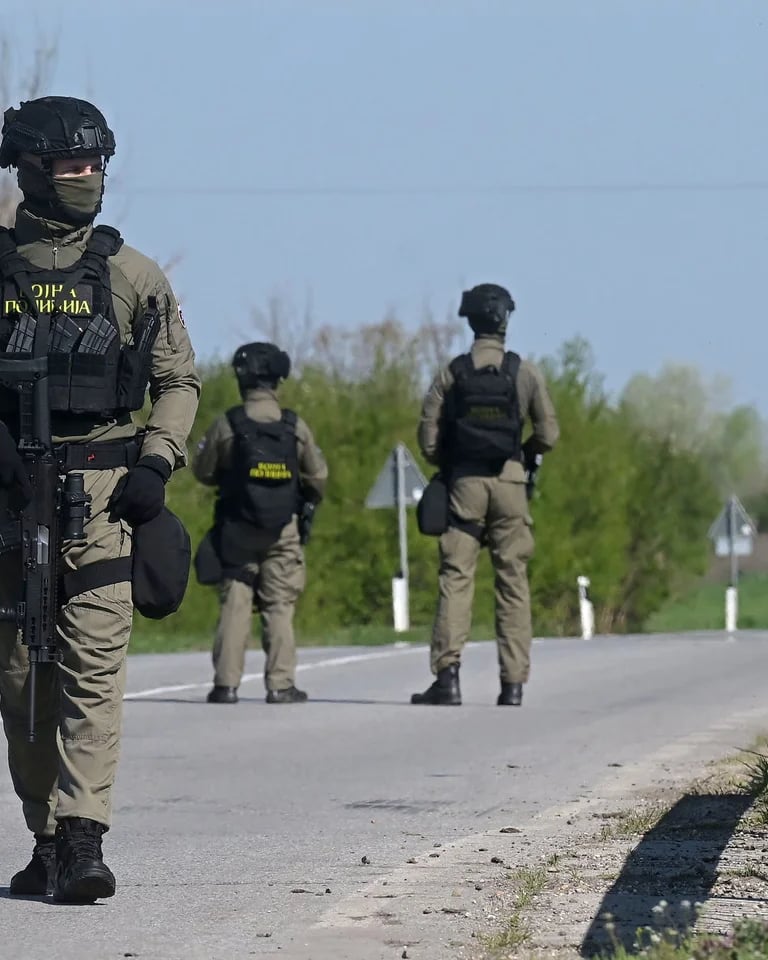
Explosives found near key gas pipeline to Hungary, Serbia Says.
For requests or suggestions: pr@hungarianinstitute.com

Learn the official language of Hungary in 30 days thanks to the most complete Grammar, Vocabulary and Culture course available.
Start speaking Hungarian today!
© Copyright 2026 Hungarian Institute
Come visit Hungary!