
Raccoons Introduced to Szeged Wildlife Park After Capture in Pest County
Invasive species with growing European presence placed under controlled conditions
Wildlife specialists recently transferred several captured mammals (befogott emlősök) to a zoological facility after they were found in the wild near Ócsa in Pest County. The animals, identified as raccoons, are now housed at the Szeged Wildlife Park under monitored conditions. The relocation was carried out as part of broader wildlife conservation efforts (vadvédelmi intézkedések) aimed at managing non-native species that have established populations within Hungary.
Originally native to North and Central America, raccoons were introduced to Europe in the 1930s, primarily in Germany, for fur harvesting (szőrmefeldolgozás) and controlled breeding purposes. Following accidental escapes and deliberate releases, the species expanded rapidly across the continent. Current data confirm their presence in at least 27 countries, demonstrating a sustained pattern of geographical spread (földrajzi terjedés) across diverse ecosystems.
The species first appeared in Hungary during the 1980s and has since developed a stable population in the wild. Authorities classify it as an invasive species (invazív faj) due to its impact on local ecosystems. Its expansion threatens native fauna through predation and competition, while also introducing disease transmission risks (betegségátviteli kockázatok) that affect both animals and humans. These factors have led to strict regulatory measures at both national and European levels.
Hungarian legislation has prohibited private ownership of raccoons since 2010, reflecting concerns about uncontrolled breeding and environmental impact. At the European level, the species was officially listed in 2016 under regulations governing invasive organisms, restricting private possession (magántartás) and commercial exchange. Under these rules, raccoons may only be kept or bred in licensed institutions such as zoos, where controlled breeding conditions (ellenőrzött tenyésztési feltételek) are enforced.
In terms of behaviour, raccoons are primarily solitary and exhibit nocturnal activity (éjszakai aktivitás), remaining hidden during daylight hours, often in tree canopies. Their movement patterns typically cover territories with a diameter of one to three kilometres, occasionally overlapping with other individuals. This flexible territorial behaviour contributes to their ability to adapt and expand within different environments.
Their diet is highly varied and includes both plant and animal sources, reflecting a broad omnivorous feeding pattern (mindenevő táplálkozási minta). They consume fruits and seeds, as well as cultivated produce such as apricots, melons, and plums. In addition, they feed on arthropods, fish, amphibians, rodents, and eggs, demonstrating a capacity to exploit multiple ecological niches and food sources.
Raccoons are also known for their strong adaptability to environments influenced by human activity. In urban or populated areas, they frequently engage in food scavenging (élelemkeresés hulladékból), often searching for sustenance in waste containers. This behavioural flexibility has significantly contributed to their successful establishment in regions far from their original habitat.
Physically, the species typically measures between 60 and 90 centimetres in length and weighs approximately 6 to 7 kilograms. A notable characteristic is the high concentration of sensory receptors in their paws, which enables advanced tactile perception (tapintási érzékelés). This sensitivity increases when the paws are wet, supporting their well-known behaviour of manipulating objects in water.
Key Hungarian Vocabulary
befogott emlősök captured mammals
vadvédelmi intézkedések wildlife conservation efforts
szőrmefeldolgozás fur harvesting
földrajzi terjedés geographical spread
invazív faj invasive species
betegségátviteli kockázatok disease transmission risks
magántartás private possession
ellenőrzött tenyésztési feltételek controlled breeding conditions
éjszakai aktivitás nocturnal activity
mindenevő táplálkozási minta omnivorous feeding pattern
élelemkeresés hulladékból food scavenging
tapintási érzékelés tactile perception
tapintáson alapuló táplálékkezelés food handling through touch
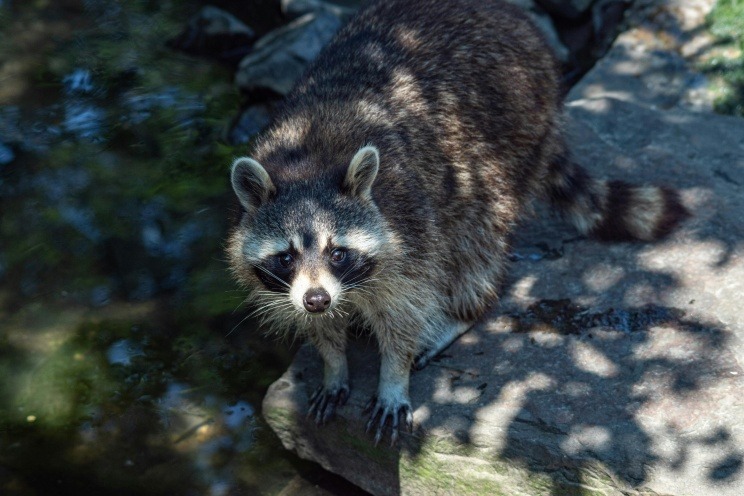
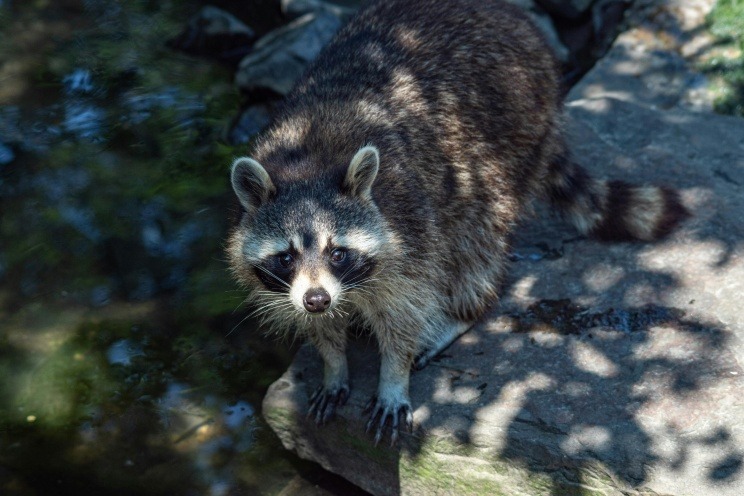
Raccoons arrive at Szeged Wildlife Park.
For requests or suggestions: pr@hungarianinstitute.com

Learn the official language of Hungary in 30 days thanks to the most complete Grammar, Vocabulary and Culture course available.
Start speaking Hungarian today!
© Copyright 2026 Hungarian Institute
Come visit Hungary!