Viktor Orbán: Sixteen Years of Power, Transformation, and Political Controversy
A leadership defined by institutional change, international alliances, and an increasingly contested electoral future
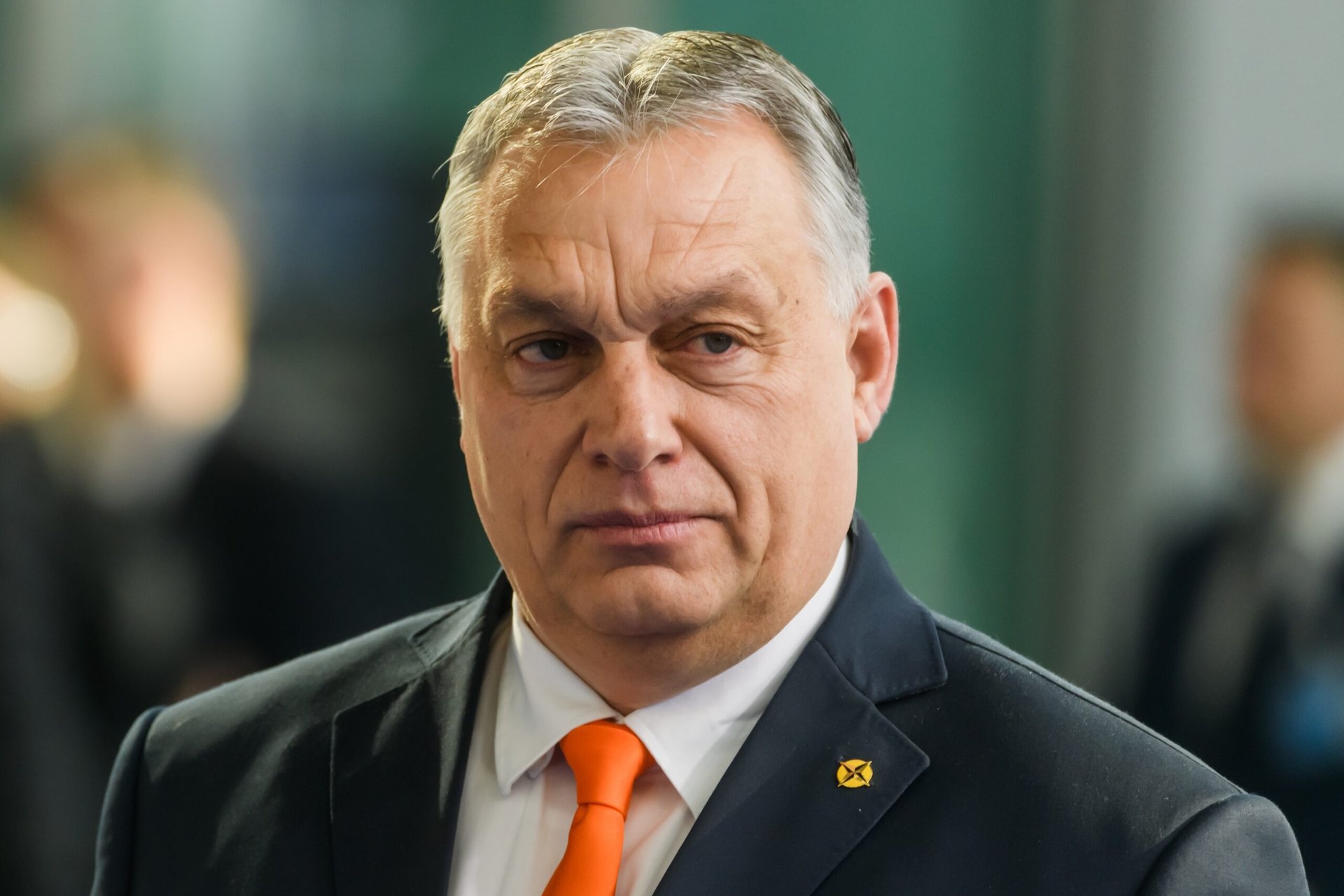
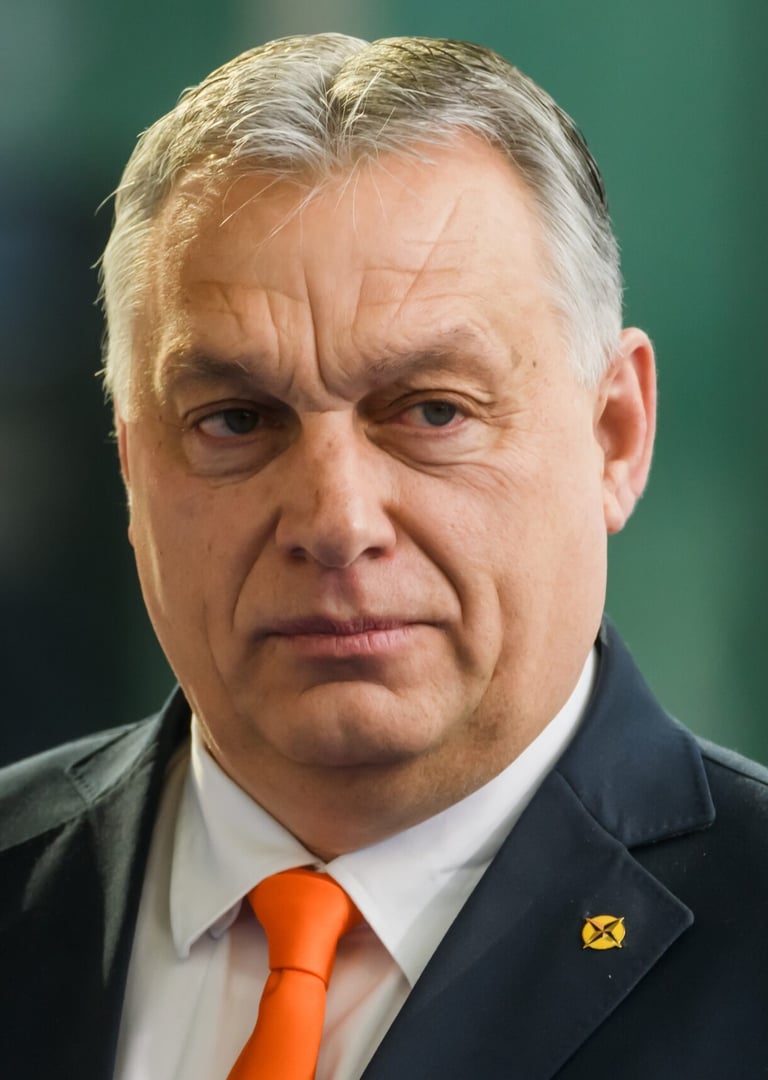
After more than a decade and a half in power, Viktor Orbán remains the longest-serving leader in the European Union, yet faces a significant electoral challenge ahead of the April 12 vote. His tenure since 2010 has been marked by the transformation of Hungary into what critics describe as a hybrid regime (hibrid rezsim) characterised by elements of electoral autocracy (választási autokrácia). Orbán himself has framed his system using terms such as illiberal democracy (illiberális demokrácia) and “Christian liberty,” reflecting competing interpretations of Hungary’s political model.
On the international stage, his leadership has been shaped by confrontations with European partners, particularly over the war in Ukraine. Hungary has repeatedly blocked financial assistance measures for Kyiv, citing national interests and opposition to escalation. This position reflects a broader emphasis on sovereign decision-making (szuverén döntéshozatal) and foreign policy divergence (külpolitikai eltérés) within the European Union. At the same time, Orbán maintains strong relationships with external actors, reinforcing his strategy of balancing alliances beyond traditional EU frameworks.
His connections with global political figures have strengthened his position internationally. He is widely regarded as a close partner of Russia within the EU and has received backing from influential figures in the United States. These relationships illustrate a pattern of strategic alignment (stratégiai igazodás) and geopolitical positioning (geopolitikai pozicionálás) that distinguishes Hungary’s foreign policy from that of many European counterparts.
Domestically, Orbán’s political success has long been linked to personal charisma and his ability to mobilise support. However, recent developments suggest a shift in public sentiment, with some voters expressing fatigue over prolonged rule and ongoing controversies. Episodes such as public criticism during campaign appearances indicate emerging challenges to his authority, highlighting issues related to political legitimacy (politikai legitimitás) and public dissatisfaction (közvélemény elégedetlensége).
Orbán’s political career began during the final years of communist rule, when he emerged as a prominent voice advocating democratic change. In a speech delivered to a large crowd, he declared: “If we believe in our own power, we are able to finish the communist dictatorship.” This moment established his reputation within the broader democratic transition (demokratikus átmenet) and the struggle for political independence (politikai függetlenség) in Hungary.
His early years were shaped by a modest background and strong personal influences, including family and education. Raised in a rural environment, he later pursued legal studies and became involved in political movements during a period of systemic transformation. His trajectory reflects a process of elite formation (elitképződés) and political socialisation (politikai szocializáció), culminating in leadership roles within emerging democratic institutions.
A significant ideological shift occurred during the 1990s, as Orbán repositioned his party from liberal roots toward a conservative and nationalist orientation. This transition represented a strategic adaptation to changing political conditions, illustrating ideological realignment (ideológiai átrendeződés) and the consolidation of national conservatism (nemzeti konzervativizmus) as a defining feature of his political identity.
His first term as prime minister began in 1998, making him one of Europe’s youngest leaders at the time. Following electoral defeats in 2002 and 2006, he refined his political strategy and returned to power in 2010 amid economic instability. Since then, his government has implemented extensive reforms affecting institutions, the legal system, and the economy, reflecting a broader process of institutional restructuring (intézményi átalakítás) and constitutional transformation (alkotmányos átalakulás).
These changes have included the introduction of numerous laws reshaping governance structures, as well as shifts in media ownership and economic management. Critics argue that such measures have concentrated power and reduced pluralism, while supporters highlight stability and economic consolidation. The debate centres on issues of media centralisation (média centralizáció) and state influence over institutions (állami befolyás intézmények felett).
Economic policy under Orbán has focused on stabilising public finances and attracting investment, supported in part by European Union funding. However, controversies surrounding the allocation of state contracts and perceived favouritism have contributed to ongoing scrutiny. These concerns relate to resource distribution (erőforrás-elosztás) and governance transparency (kormányzati átláthatóság), which remain central topics in public debate.
Migration and security have also been prominent themes in his leadership. During the 2015 migration crisis, Orbán linked irregular migration to security risks, stating: “We would like to keep Europe for Europeans... also we want... to preserve Hungary for Hungarians.” Policies introduced during this period reflect a focus on border control measures (határvédelmi intézkedések) and national identity preservation (nemzeti identitás megőrzése).
In recent years, Ukraine has become a central issue in political discourse. Orbán has accused Ukrainian leadership of acting against Hungarian interests, while positioning himself as an advocate of peace. This narrative forms part of a broader strategy centred on conflict framing (konfliktus értelmezés) and electoral messaging (választási üzenetformálás) ahead of the election.
Despite maintaining strong international alliances and domestic influence, Orbán now faces his most significant electoral test in years. The outcome of the upcoming vote will determine whether his model of governance continues or whether Hungary enters a new phase of political change, shaped by shifting voter expectations and evolving institutional dynamics.
For requests or suggestions: pr@hungarianinstitute.com
Learn the official language of Hungary in 30 days thanks to the most complete Grammar, Vocabulary and Culture course available.
Start speaking Hungarian today!
© Copyright 2026 Hungarian Institute
Come visit Hungary!